
Is Driving in Bosnia Safe for Travelers?
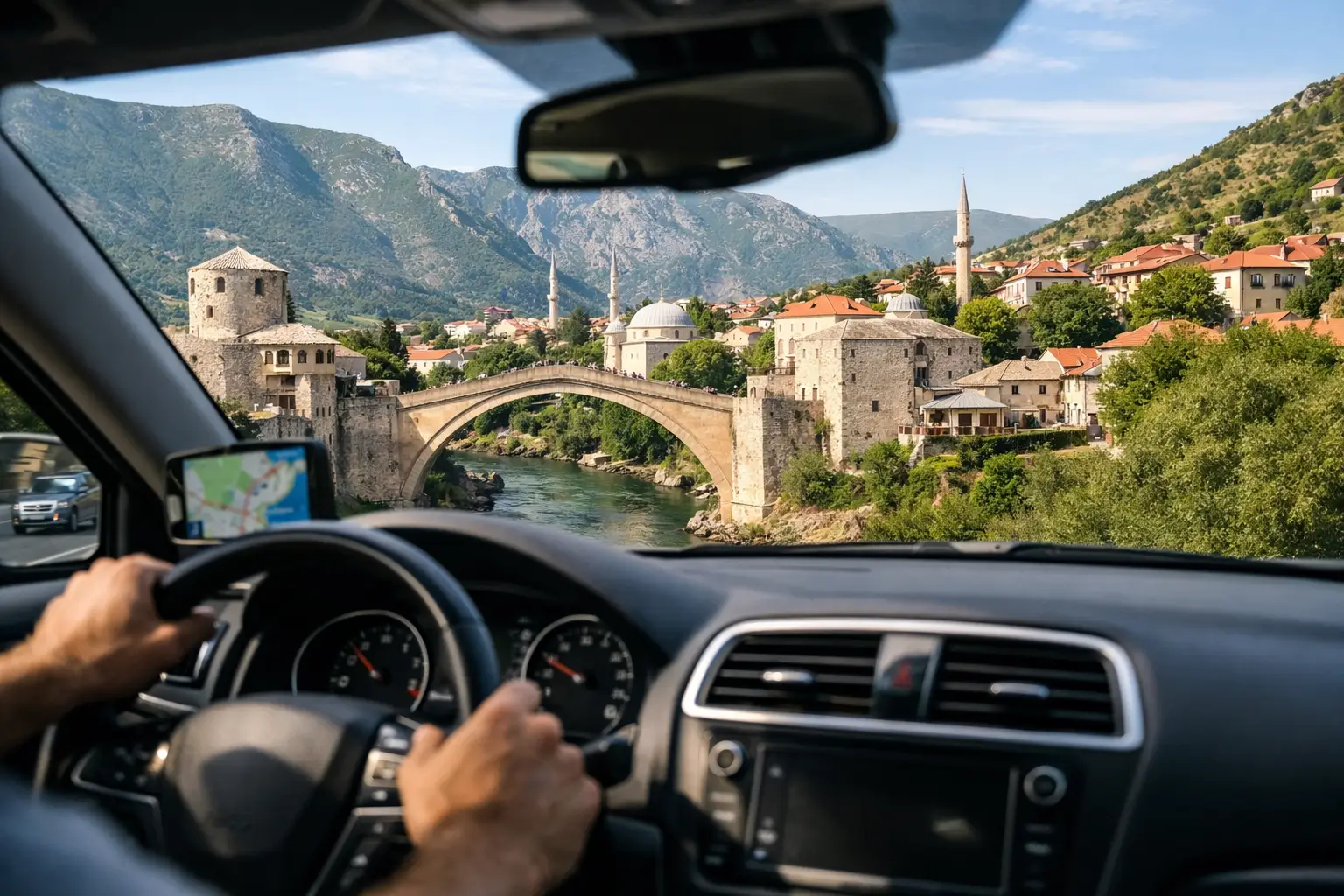
A mountain road outside Mostar can look easy on a map and feel very different once you are behind the wheel. One minute you are passing a quiet village, the next you are on a narrow curve with no shoulder and a local driver moving faster than you expected. So, is driving in Bosnia safe? For most travelers, yes - if you stay alert, choose the right vehicle for your route, and treat the roads with respect.
Bosnia and Herzegovina is not a difficult country to drive in, but it is not a place for careless driving either. The main roads between major cities and tourist areas are generally manageable, signage is usually clear enough for visitors, and distances are often shorter than they appear. At the same time, road quality can change quickly, mountain routes demand attention, and local driving habits can feel more assertive than what some US visitors are used to.
Is driving in Bosnia safe in real conditions?
The honest answer is that safety depends less on the country itself and more on where, when, and how you drive. If your trip is centered around common routes such as Mostar to Blagaj, Počitelj, Kravica Waterfalls, Sarajevo, or the Adriatic coast, driving is usually straightforward. These are popular corridors used by locals, visitors, and business travelers every day.
Where people run into trouble is usually not because Bosnia is unusually dangerous, but because they underestimate the conditions. A short daytime drive in dry weather is one thing. A late-night trip on rural roads in heavy rain is another. If you keep that distinction in mind, you will make better decisions from the start.
Road safety here is best understood as a mix of good access and variable conditions. You can absolutely enjoy the freedom of a rental car and explore at your own pace, especially around Herzegovina where day trips are one of the biggest advantages of having your own vehicle. You just need to drive defensively and avoid treating every road like a fast highway.
What makes driving in Bosnia feel different?
For many travelers, the biggest adjustment is rhythm. Roads are often narrower than expected, especially outside city centers. Curves come quickly in hilly areas, and overtaking behavior can be more aggressive than in the US. That does not mean every road is chaotic. It means you should expect variation and stay focused.
Urban driving in places like Sarajevo or central Mostar can feel busy, with tighter streets, limited parking, and more pedestrian activity. Rural driving is calmer, but it comes with its own trade-offs - less lighting, occasional rough pavement, sharp bends, and the possibility of tractors or slow-moving vehicles on the road.
Drivers who are comfortable with mountain or secondary roads usually adapt well. Nervous drivers can still do fine, but they should avoid packed city centers at peak times and keep daily driving distances realistic.
Road quality varies by region
Some roads are in very decent condition, especially major connecting routes. Others show wear, patchwork repairs, uneven surfaces, or limited lane width. That is one reason a route that looks short online can take longer than expected.
In Herzegovina, many sightseeing drives are pleasant and easy enough for visitors, especially during daylight. Having a car gives you much more flexibility than relying on bus schedules or fixed tours, particularly if you want to combine places like Blagaj, Počitelj, and Kravica in one day. The trade-off is that you are responsible for timing, parking, and road awareness.
Local driving habits require attention
You may notice tailgating, quick overtakes, or drivers who seem very confident on roads you would treat more cautiously. The safest response is not to match that behavior. Keep a steady pace, use turnouts or safe opportunities to let faster traffic pass, and avoid pressure decisions.
A calm driver usually has a better trip here than a fast one.
The main risks travelers should know
Most safety concerns come down to a few predictable factors. None of them are unusual by Balkan road-trip standards, but they matter.
Night driving deserves extra caution. Some rural roads have limited lighting, lane markings may be less visible, and judging curves is harder after dark. If you are new to the area, daytime driving is the smarter choice.
Weather also changes the picture. Rain can make already narrow roads feel tighter, and winter conditions in higher elevations can be serious. Snow, ice, fog, and reduced visibility are real concerns in colder months, especially outside major routes. If your trip includes mountain areas in winter, vehicle choice and timing matter a lot.
Parking is another practical issue. In busy town centers, spaces can be tight and local parking systems may not be obvious at first glance. That is not a major safety problem, but it can create stress that leads to rushed decisions.
Then there is road fatigue. Bosnia is scenic, and that can be deceptive. A route with beautiful views often requires more concentration, not less. Curves, elevation changes, and mixed traffic can make a two-hour drive feel longer than expected.
How to drive safely in Bosnia as a visitor
The best approach is simple: build your trip around daylight, realistic travel times, and a car that suits the route. If you are staying in or near Mostar, this is easy to do. Many of the most rewarding spots are close enough for relaxed day trips, which means less time on the road and more time enjoying the destination.
Start early, especially in summer when popular attractions and parking areas fill up faster. Keep your phone charged, but do not rely on navigation alone. Pay attention to road signs and conditions in front of you, because an app does not always reflect local realities.
Choose a vehicle you feel comfortable driving. If you prefer automatics, book one. If you are traveling with family or luggage, give yourself enough space rather than squeezing into the cheapest option. Comfort is part of safety, especially when driving unfamiliar roads.
Drive with patience through villages and town approaches. Speed limits change, pedestrian crossings are common, and local traffic patterns can shift quickly. On open roads, leave more following distance than you think you need.
A few practical habits help a lot
Check weather before longer drives. Avoid unfamiliar rural roads late at night if you do not need to use them. Keep cash or a payment method ready for parking where needed. And if a road looks more demanding than expected, slow down early rather than correcting late.
These are basic habits, but they make a real difference.
Is Bosnia safe for self-drive day trips from Mostar?
Yes, and this is where driving often makes the most sense. The area around Mostar is one of the easiest parts of the country for visitors who want short scenic drives without committing to long road days. Blagaj is a simple outing, Počitelj is an easy addition to a half-day or full-day route, and Kravica Waterfalls works well as a comfortable self-drive trip.
The benefit of renting a car for these routes is not just convenience. It is control. You can leave when you want, stop for photos, avoid waiting on group schedules, and combine nearby places in a way that suits your pace. For families, couples, and small groups, that usually makes the day smoother.
Safety-wise, these drives are manageable for most travelers in normal weather. They still require attention, especially near intersections, local roads, and parking areas around popular attractions, but they are not extreme or remote journeys.
Who may want an alternative to self-driving?
Not every traveler enjoys being behind the wheel in a new country. If you dislike narrow roads, avoid driving in unfamiliar traffic, or plan to arrive tired after a flight, it may be more comfortable to use a professional driver for part of your trip. That can be a practical choice for business visitors, families with young children, or anyone who wants the flexibility of road travel without handling the driving personally.
That said, many visitors who are unsure at first end up feeling comfortable once they stick to daytime driving and sensible routes.
Bosnia rewards drivers who are careful, not bold. If you respect the roads, give yourself time, and keep your plans realistic, driving here can feel less like a challenge and more like the easiest way to see the places buses and tight schedules often miss. The best trips usually start when you stop rushing and let the road set the pace.