
Are Winter Tires Mandatory in Bosnia for Drivers?
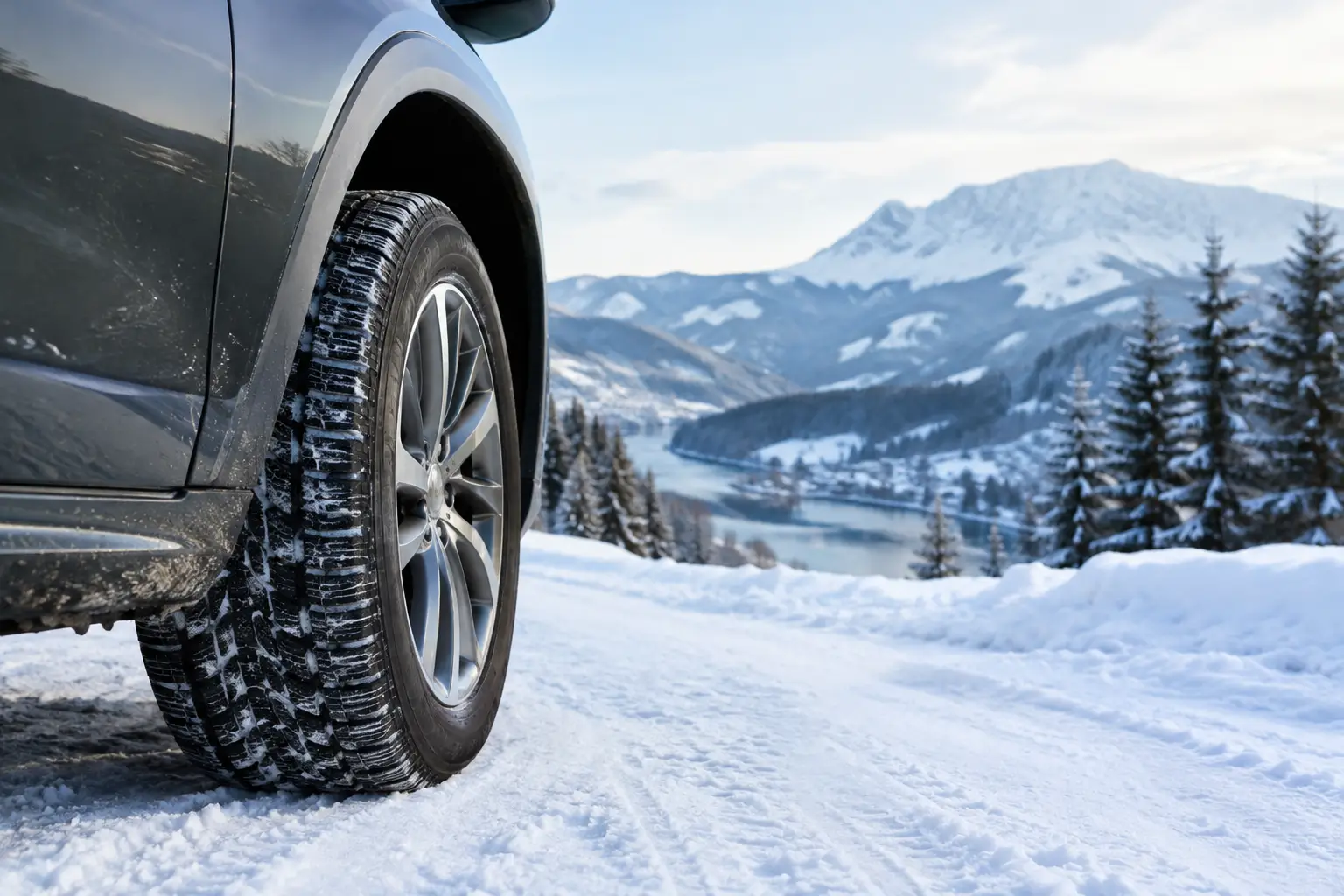
Travelers often ask, “are winter tires mandatory Bosnia?” The short answer is yes: Bosnia and Herzegovina has a winter-equipment period that applies even when the road outside your hotel looks clear and dry. If you are planning to drive from Mostar to Sarajevo, ski areas, mountain villages, or across a border during the colder months, checking the tires and required equipment should be part of your trip preparation.
For visitors, the practical point is simple. Do not judge winter driving requirements by the weather at your pickup location. Mostar can be mild while roads toward higher elevations are wet, icy, foggy, or covered by snow just a few hours away.
Are Winter Tires Mandatory in Bosnia?
Bosnia and Herzegovina generally requires winter equipment from November 1 through April 1. This is a nationwide seasonal requirement for passenger vehicles, not a rule that begins only after snowfall. Police checks can occur during this period, particularly on routes affected by winter weather and in mountainous areas.
A vehicle can normally meet the requirement in one of two ways: by having winter tires fitted, or by using suitable tires together with traction equipment such as snow chains carried in the vehicle. The detailed technical rules can depend on the tire markings, tread depth, and vehicle category. In practice, winter tires with adequate tread on all four wheels are the clearest and most comfortable choice for a winter road trip.
If snow or ice is present, chains may need to be fitted rather than simply stored in the trunk. That distinction matters. Carrying chains does not help much if you do not know how to install them safely on the correct wheels or if conditions require them before you continue uphill.
Road regulations and enforcement guidance can change, so travelers should confirm the current requirements before departure, especially when driving a rental car across multiple countries. A quick check at pickup is easier than dealing with a delay on a mountain road.
What Counts as Winter Equipment?
For most visitors, the safest approach is to think beyond the legal minimum. Winter tires are designed to remain more flexible in low temperatures and provide better traction on cold, wet, slushy, and snowy roads. They also improve control during braking and turning, which is just as valuable on rain-darkened pavement as it is in snow.
All-season tires may be acceptable only when they meet the applicable marking and tread requirements and when the required traction equipment is available. However, they are a compromise. They can be perfectly practical for a mild city itinerary, but they are not the same as a dedicated winter tire on a steep, cold route.
Tread depth is another key factor. Tires that look acceptable at a glance may not provide enough grip in winter conditions. Do not assume that a newer-looking rental vehicle automatically has the right seasonal setup. Ask directly whether it has winter tires, what traction equipment is included, and whether there are any route restrictions in severe weather.
Why the Rule Matters for a Mostar Trip
Mostar is often warmer than Bosnia’s interior, which can make winter driving rules feel unnecessary to a visitor arriving on a sunny afternoon. Yet the landscape changes quickly beyond the city. A day trip to Blagaj, Počitelj, or Kravica Waterfalls may be straightforward in ordinary winter weather, while a longer drive toward Sarajevo, Jahorina, Bjelašnica, or central Bosnia can involve dramatically lower temperatures.
That is one advantage of renting a car rather than relying entirely on a fixed bus schedule or a group tour. You can choose your departure time, avoid the coldest part of the day, stop when visibility drops, and adapt your route to current conditions. The same flexibility requires responsible planning: leave extra time, keep fuel levels comfortable, and never treat a winter warning as a suggestion.
For families and small groups, a vehicle with suitable tires also makes the trip more comfortable. You can carry coats, boots, snacks, and luggage without trying to manage winter weather between connections. If your plans include several stops in one day, the freedom is valuable - but only when the vehicle is prepared for the road ahead.
Renting a Car During Bosnia’s Winter Season
When reserving a vehicle for travel between November 1 and April 1, make winter equipment part of the booking conversation. This is particularly relevant if you want an SUV, station wagon, van, or automatic vehicle, since availability can vary during busy holiday and ski periods.
Before leaving the pickup point, take a minute to inspect the tires and ask where any snow chains or traction devices are stored. You do not need to become a tire expert, but you should know whether the vehicle is equipped for your itinerary. If you expect to drive over mountain passes, ask whether the planned route is appropriate for the forecast and your driving experience.
At CityRent, travelers can also plan a vehicle around the trip itself. A compact car may suit local sightseeing around Mostar in mild weather, while a larger SUV or wagon can offer more space and confidence for a family route into higher terrain. The right choice depends on passenger count, luggage, destination, and conditions - not simply on the length of the rental.
Questions to ask at pickup
Ask whether winter tires are installed on all wheels, whether chains are included, and what to do if they are needed. Confirm the emergency contact procedure as well. If you are traveling beyond Bosnia and Herzegovina, mention every country on your route before you leave, because cross-border authorization and winter-equipment rules can differ.
It is also smart to ask about tire damage procedures. Winter roads can hide potholes under water or snow, and roadside shoulders may be soft. Knowing whom to call and what information to provide removes stress if the unexpected happens.
Cross-Border Driving Requires Extra Care
A Balkan road trip can easily include Croatia, Montenegro, Serbia, or other nearby destinations. Do not assume Bosnia’s November 1 to April 1 rule applies everywhere in exactly the same way. Neighboring countries may use different dates, road-sign rules, tire specifications, chain requirements, or weather-based obligations.
This matters for travelers flying into Mostar, Sarajevo, Split, or Dubrovnik and building a multi-country itinerary. A road can cross a border in minutes, but the winter rules can change at the same time. Discuss your complete route when arranging the rental and carry the documents required for cross-border travel.
Weather also ignores borders. Coastal areas may be rainy while inland routes are snowy, and strong wind can affect exposed roads at any time of year. Check conditions on the morning you travel, not only when you create the itinerary weeks earlier.
Drive for Conditions, Not Just the Posted Limit
Winter tires reduce risk, but they do not make every road safe at normal speeds. Give yourself more following distance, brake gently, and avoid sudden steering inputs. On downhill roads, use a lower gear where appropriate instead of relying only on the brakes. If visibility becomes poor, slow down early and be prepared to stop somewhere safe.
Keep your phone charged, carry water and warm layers, and avoid beginning a mountain drive with a nearly empty fuel tank. These are small preparations that make a real difference if traffic slows behind a snowplow or weather forces a temporary closure.
If you have little experience driving in snow or ice, be honest about it. A comfortable winter itinerary may mean enjoying Mostar, Blagaj, and nearby heritage sites on clear days rather than forcing a high-elevation route during a storm. Flexibility is part of good travel planning, not a missed opportunity.
Can I drive in Bosnia without winter tires in December?
Not unless the vehicle still meets the winter-equipment requirement through an allowed alternative setup. Because the seasonal rule is in effect from November 1 through April 1, dry weather in town is not a reason to ignore it.
Are snow chains always required?
Not necessarily. They may be carried as part of an acceptable winter-equipment arrangement, and they can become essential when snow-covered or icy roads require extra traction. Follow road signs, local instructions, and the rental provider’s guidance.
Do I need winter tires for a short day trip from Mostar?
If the trip falls within the winter-equipment period, the vehicle still needs to comply. A short route may be easy in good weather, but the legal requirement applies to the vehicle, not the length of your drive.
A well-prepared car gives you more than compliance. It gives you the confidence to enjoy Bosnia’s winter landscapes at your own pace, while keeping your plans comfortable, flexible, and safe.