
Balkan Border Crossing Guide for Drivers
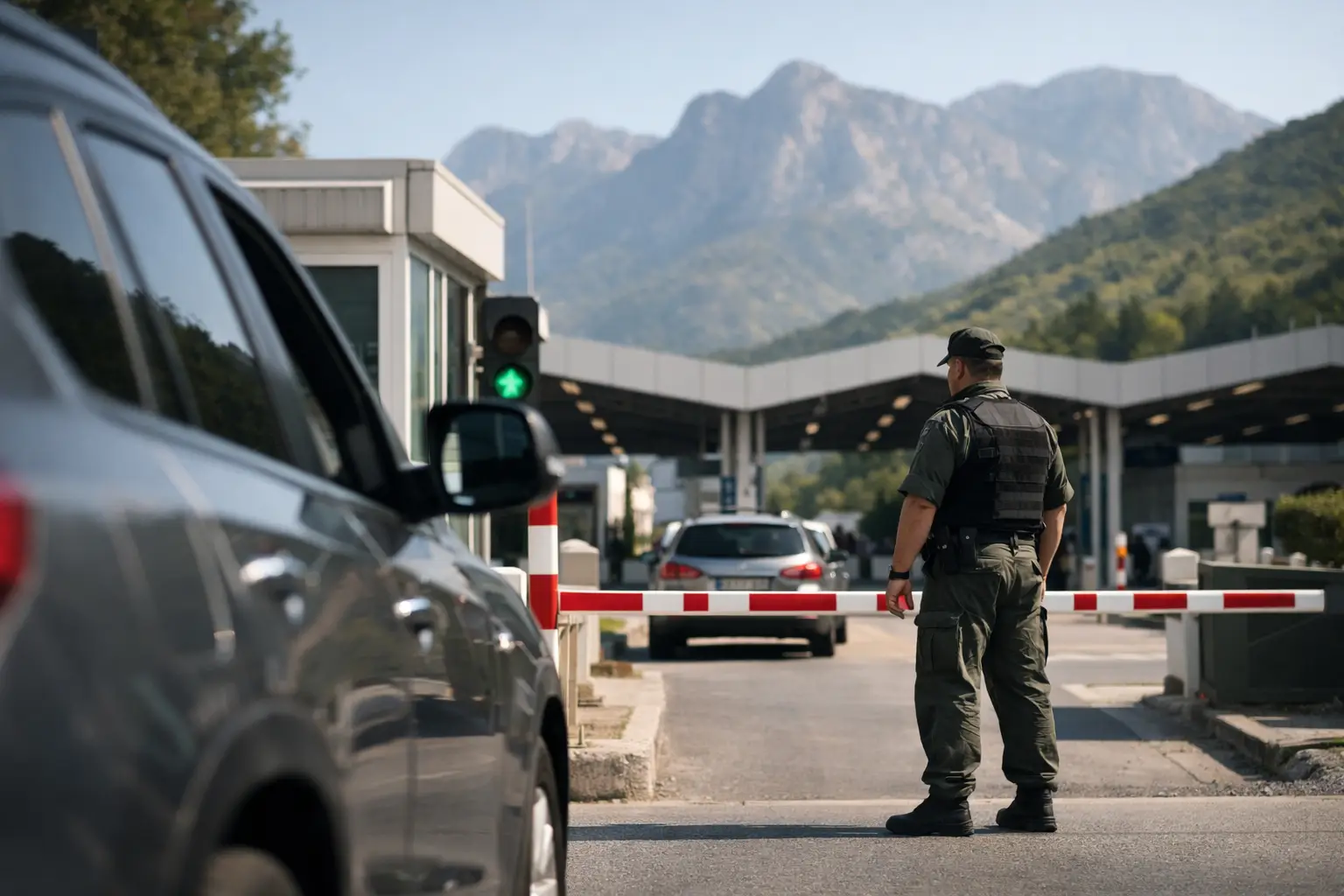
A border line in the Balkans can add ten minutes to your trip or half a day. The difference usually comes down to preparation. This Balkan border crossing guide is built for travelers who want to move between Bosnia and Herzegovina, Croatia, Montenegro, and nearby countries without guesswork, especially when traveling by rental car.
The region is ideal for road trips because the distances are manageable and the scenery changes fast. You can leave Mostar after breakfast, stop in Počitelj, continue toward the coast, and be in another country before lunch. That freedom is hard to match with buses or fixed tours, but border crossings work best when you know what officials are likely to ask for and what rental rules apply before you arrive at the checkpoint.
What to know before any Balkan border crossing
The first thing to understand is that border rules in the Balkans are not one-size-fits-all. Your route, your passport, the country where the car is registered, and whether the vehicle is rented all matter. A traveler from the US driving a rental car from Bosnia and Herzegovina into Croatia may have a different experience than an EU citizen driving their own vehicle into Montenegro.
That is why the safest approach is simple: treat every crossing as document-based, not assumption-based. If you have the right papers ready and your rental agreement clearly allows cross-border travel, the process is often straightforward. If one document is missing, even a short day trip can turn into a problem.
For most drivers, the core documents are your passport, valid driver’s license, rental agreement, vehicle registration details, and proof that the car is approved for cross-border use. Depending on the route and your citizenship, you may also need to show a visa or confirm entry conditions in advance. Rules can change, and border officers make the final decision at the crossing.
Balkan border crossing guide for rental car travelers
If you are renting a car, the single most important step is confirming cross-border permission before pickup. Not every rental booking automatically allows international travel, even when the countries are close together. The provider needs to know where you plan to go so the paperwork matches the trip.
This matters because a border officer may ask for proof that the rental company has authorized the vehicle to leave the country where it was picked up. If that permission is not in your documents, the issue is not whether your itinerary sounds reasonable. It is whether the paperwork supports it.
It also helps to be realistic about route planning. Crossing from Bosnia and Herzegovina into Croatia for a coastal stay is common. Driving into Montenegro is also popular. But if you plan to enter several countries in a short period, confirm each one in advance. Some routes are routine, while others require additional approval or may not be available with every vehicle category.
Larger vehicles and premium models can sometimes have different conditions than standard economy cars. The reason is usually insurance, vehicle value, or operational policy, not convenience. If you are traveling as a family or group and need a van or SUV, it is worth checking the border permissions as early as you book.
The documents that usually matter most
At the checkpoint, keep your documents together and easy to reach. Digging through bags while a line forms behind you is avoidable stress. A clean document folder in the glove box is a small habit that makes border stops smoother.
Your passport should be valid for the full trip and, ideally, well beyond it. Your driver’s license should match the rules for the countries you are entering. Many US travelers use their domestic license without issue for short visits, but some prefer to carry an International Driving Permit as a backup. It may not always be requested, but it can help if there is any language confusion.
With a rental car, the agreement needs to be clear and current. If the pickup date, return date, plate number, or driver name does not match, expect questions. You may also be asked for the vehicle registration and insurance documentation associated with the rental. The practical rule is this: if a border officer asks who owns the vehicle and why you are authorized to drive it abroad, your documents should answer both questions immediately.
Border delays are normal, but not always predictable
One of the harder parts of Balkan travel is that waiting times can change fast. A crossing that is quiet in the morning can become crowded in late afternoon, especially on weekends, summer holidays, or routes heading toward the Adriatic coast. That does not mean the crossing is problematic. It usually means traffic volume has spiked.
The most useful planning habit is to avoid building a tight schedule around a border. If you need to catch a flight, return a vehicle, or check into accommodation at a strict hour, leave more buffer than you think you need. This is especially true in peak summer, when one long line can affect the rest of the day.
It also helps to think about timing in the context of day trips. If you are staying in Mostar and considering a flexible drive that includes local stops like Blagaj, Počitelj, or Kravica Waterfalls before heading onward, a rental car gives you more control than a tour schedule. But if your route includes a border later the same day, keep your sightseeing relaxed and your departure early.
Country-to-country differences matter
The Balkans feel connected on the map, but each border has its own routine. Some crossings are heavily used and well-practiced with tourists. Others are smaller and can move more slowly. Entry checks may be brief at one point and more detailed at another, even on the same trip.
Croatia often serves as a major transit point for visitors heading to the coast or airports. Montenegro is a popular extension for scenic drives and seaside stays. Bosnia and Herzegovina is central for inland travel, heritage sites, and flexible day routes. The practical takeaway is that no border should be treated as a formality just because the distance is short.
If your trip includes multiple entries and exits, keep track of where you entered and the order of your route. This is mostly common sense, but after several stops and long driving days, small details get fuzzy. A simple itinerary on your phone can save time if an officer asks where you are coming from and where you are headed next.
Smart habits that make crossing easier
A calm, organized approach usually works best. Border officers are dealing with long lines, mixed documentation, and travelers who often arrive underprepared. If you present your papers clearly, answer directly, and avoid rushing the interaction, the process is usually faster.
Do not pack your passport into checked luggage or deep inside the trunk. Keep your phone charged, but do not rely on it as the only place for confirmations. A paper copy of key rental details can still be useful. If several adults are traveling, make sure the named driver is the one handling the discussion unless an officer asks otherwise.
Fuel and restroom planning matter more than people expect. A long summer queue is much easier to handle if you have filled up recently and taken a break before joining the line. Families traveling with children should plan around this from the start rather than hoping the crossing will be quick.
When a chauffeur transfer makes more sense
Not every border trip needs to be self-drive. If your schedule is tight, your route is one-way, or you simply do not want to manage parking, documents, and unfamiliar roads, a chauffeur-driven transfer can be the better option. That is especially true for airport runs, business travel, or small groups with luggage.
There is also a comfort factor. Some travelers want the flexibility of a rental car for local sightseeing, while others would rather leave the border logistics to an experienced regional driver. It depends on the trip. If your plan centers on independent stops and spontaneous detours, self-drive usually wins. If the goal is direct, low-stress transport, a professional transfer often saves time and energy.
A practical final check before you leave
Before starting any cross-border drive, confirm five things: your passport is valid, your license is with you, your rental agreement allows the exact countries on your route, your insurance documents are in the car, and you have enough time built into the day. That short check solves most avoidable border problems.
The Balkans reward travelers who keep their plans flexible and their paperwork simple. Once the documents are in order, the rest of the trip becomes what it should be - a comfortable drive between remarkable places, with the freedom to stop when something on the road looks worth seeing.