
Multi City Car Hire Balkans Made Simple
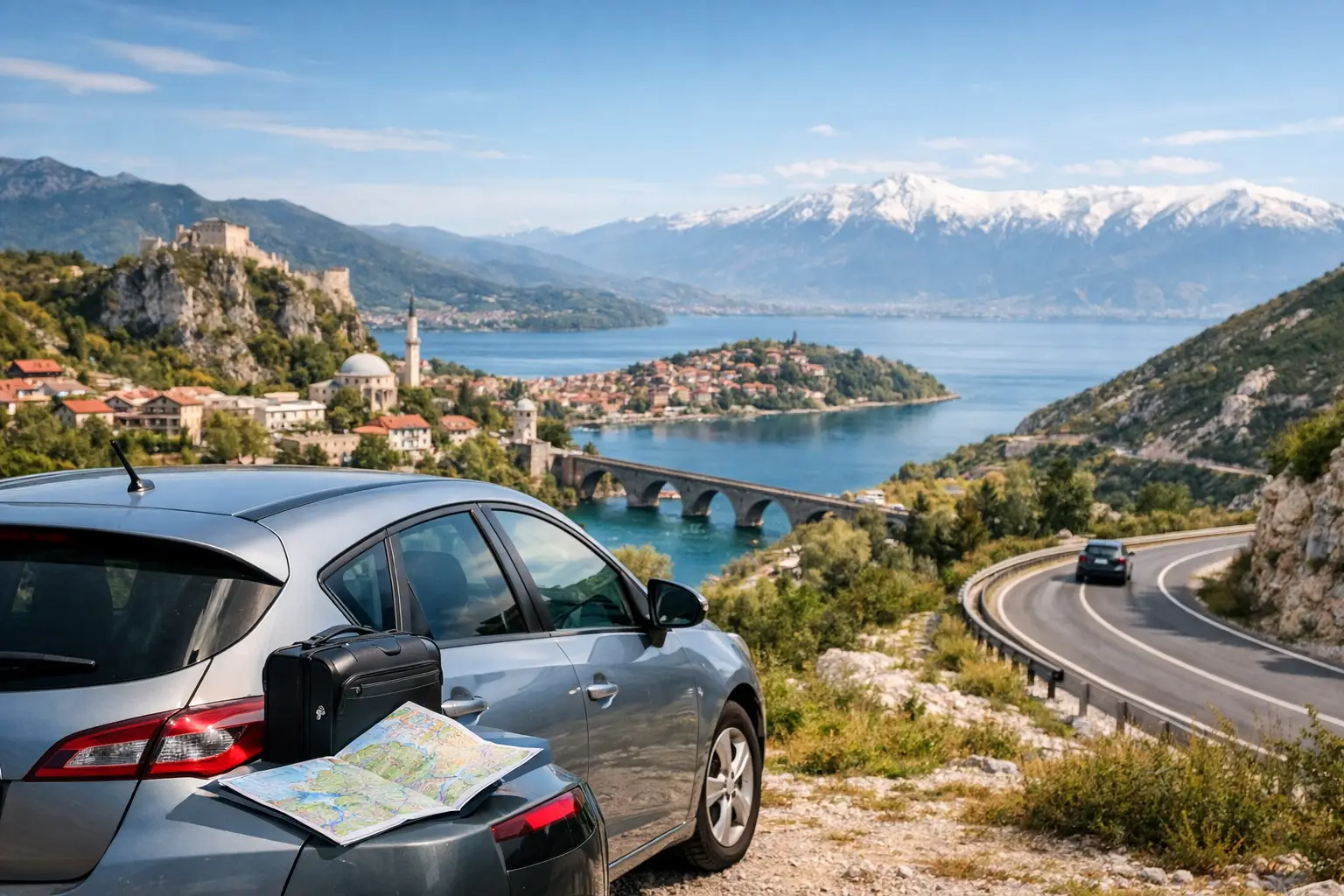
Landing in one Balkan city and flying home from another sounds easy until the transport details start piling up. That is where multi city car hire Balkans travel becomes the practical choice. Instead of backtracking to your starting point or working around bus schedules, you can move through the region at your own pace and finish your trip where it makes the most sense.
For many travelers, that difference matters most after the first day. A family arriving with luggage, a couple planning a coastal route, or a business visitor fitting meetings into a short trip usually wants one thing - less friction. Picking up a car in one city and returning it in another gives you that flexibility, but it works best when you understand how Balkan travel actually operates on the ground.
Why multi city car hire in the Balkans works so well
The Balkans are not a single-style destination. You can move from historic old towns to mountain roads, from Adriatic coastlines to inland cultural stops, often within a few hours. That variety is exactly why a fixed round trip is not always the best plan.
A one-way rental works well when your route is linear. You might arrive in Sarajevo, spend time in Mostar, continue toward the coast, and depart from Dubrovnik or Split. You avoid wasting a full day driving back just to return the vehicle. The same logic applies to shorter regional trips. If your itinerary includes several cities and border crossings, keeping the route forward-moving usually saves both time and energy.
This is also where public transport can become limiting. Buses are useful on some routes, but they do not always match airport arrival times, family schedules, or day trip plans. If you want to stop in Blagaj on the way out of Mostar, continue to Počitelj, then spend extra time at Kravica Waterfalls before moving on, a rental car gives you room to adjust instead of rushing to fit a timetable.
What to check before you book
The phrase multi city car hire Balkans covers a lot of different trips, and the details matter. Not every route has the same practical requirements. Before reserving, focus on four things: pickup city, return city, border permissions, and vehicle type.
Pickup and return points should be confirmed first. Airport collection can be the easiest option if you are arriving with bags or children, but city pickup may suit travelers already staying downtown. The important part is making sure the return point matches your departure plans. A rental that looks convenient at first can become less attractive if you have to cross back into another country just to hand over the keys.
Cross-border travel is the next essential point. The Balkans involve multiple countries in a relatively compact area, so the right paperwork and approval matter. If your plan includes Bosnia and Herzegovina, Croatia, or Montenegro, mention that clearly when booking. It is better to define your route early than to assume all border crossings are automatically included.
Vehicle choice should match the trip, not just the rate. A compact economy car works well for couples traveling light and staying mostly in cities. Families often benefit from a sedan, wagon, or SUV with proper luggage space. Groups heading out for several stops usually need a van rather than trying to squeeze into a smaller car for hours at a time. Automatic transmission is also worth confirming early if that is your preference, since demand can be high in peak travel periods.
The best routes for multi city car hire Balkans trips
Some itineraries are especially well suited to one-way car rental. Travelers often do best with routes that combine airports, major cities, and scenic stopovers instead of trying to cover too much in too little time.
A strong example is arriving in Sarajevo and leaving from Dubrovnik or Split. You can spend time in Sarajevo, continue to Konjic or Jablanica, base yourself in Mostar for day trips, then head toward the Adriatic coast. Mostar is a particularly useful stop because it gives you easy access to several standout places without changing hotels every night. A car makes those side trips simple. Blagaj is close and easy to reach, Počitelj adds a worthwhile historic stop, and Kravica Waterfalls is much more comfortable on your own schedule than as part of a rigid group tour.
Another popular route starts on the coast and moves inland. Travelers who land in Split or Dubrovnik may want beach time first, then continue to Mostar and onward to Sarajevo. That direction works well for visitors who prefer to begin with simpler driving and save the denser city sections for later in the trip.
For shorter regional travel, a Mostar-based stay with a different return city can also be practical. You might collect the vehicle near your arrival point, use it for flexible sightseeing around Herzegovina, then return it at another airport when it is time to leave. That setup is especially useful for diaspora travelers and families coordinating arrivals and departures from different locations.
Driving in the Balkans - what travelers should expect
Driving here is not difficult for most experienced visitors, but it does reward realistic planning. Distances on the map can look short, yet travel times vary due to border checks, road types, and seasonal traffic.
Coastal roads can be slower in summer. Mountain routes require more attention, especially if you are used to wide highways and fast lane changes. Historic town centers often have tighter streets and more limited parking. None of that is a reason to avoid driving. It just means the best Balkan road trips are paced sensibly.
That is one reason unlimited mileage can be a real advantage. Travelers often add stops once they see how close places are. A morning drive from Mostar to Kravica can easily turn into a longer day with lunch in Počitelj and a late afternoon stop in Blagaj. Having the freedom to extend the route without worrying about every extra mile keeps the trip more relaxed.
Insurance matters for the same reason. Most renters are not looking for complexity at the counter. They want to know the car is covered properly and that support is available if something goes wrong. Clear rental terms and comprehensive coverage make a bigger difference on a cross-city trip than on a simple local rental because there are more moving parts involved.
Choosing the right car for comfort and convenience
The best car for a Balkan one-way trip depends less on image and more on how you travel. If you are doing frequent hotel changes, luggage space starts to matter quickly. If you are traveling with parents or children, comfort during longer road segments becomes more important than saving a small amount on the daily rate.
Economy cars are ideal when the trip is simple, the passengers are few, and the luggage is light. Sedans and wagons suit longer regional travel because they balance comfort and efficiency. SUVs are a strong option for travelers who want more cabin space and a more relaxed driving position, especially on mixed road types. Vans make the most sense for small groups that want to stay together rather than splitting into separate vehicles.
There is also a practical business travel angle. If your schedule includes airport pickup, meetings in more than one city, and a different departure point at the end, the right rental car becomes a scheduling tool. It helps you stay on time without depending on transfers between every stop.
How to make the booking process easier
The easiest bookings are the most specific ones. Share your arrival city, departure city, travel dates, number of passengers, and intended countries from the start. That helps match the vehicle and rental conditions to the actual route.
If your plans are still shifting, ask about flexibility before confirming. A helpful rental provider should be able to explain what changes are simple and what may affect availability. This matters in the Balkans because travel plans often evolve after flights are booked. People add a coastal stop, decide to stay longer in Mostar, or switch their return airport based on better flight options.
Fast pickup also matters more than travelers expect. After a flight, especially with children or after a late arrival, most people want to get on the road quickly. A clear reservation, straightforward documentation, and an accurate handover save time and reduce stress at the start of the trip.
For travelers who prefer not to drive every segment themselves, it can also help to know that some journeys are better handled with a driver. That option is useful for business visitors, groups, or anyone who wants the regional flexibility of road travel without taking on the full driving responsibility.
CityRent has built much of its service around exactly these needs - quick booking, practical vehicle choices, airport access, and flexible travel across the region.
The best Balkan trips rarely follow a perfect circle. They move forward, stop where the scenery or schedule demands, and end where your flight home actually is. If you plan your route carefully and choose a rental setup that fits the way you travel, one-way driving across the region feels less like a workaround and more like the smartest part of the trip.