
The Future of Balkan Road Trips Is Flexible
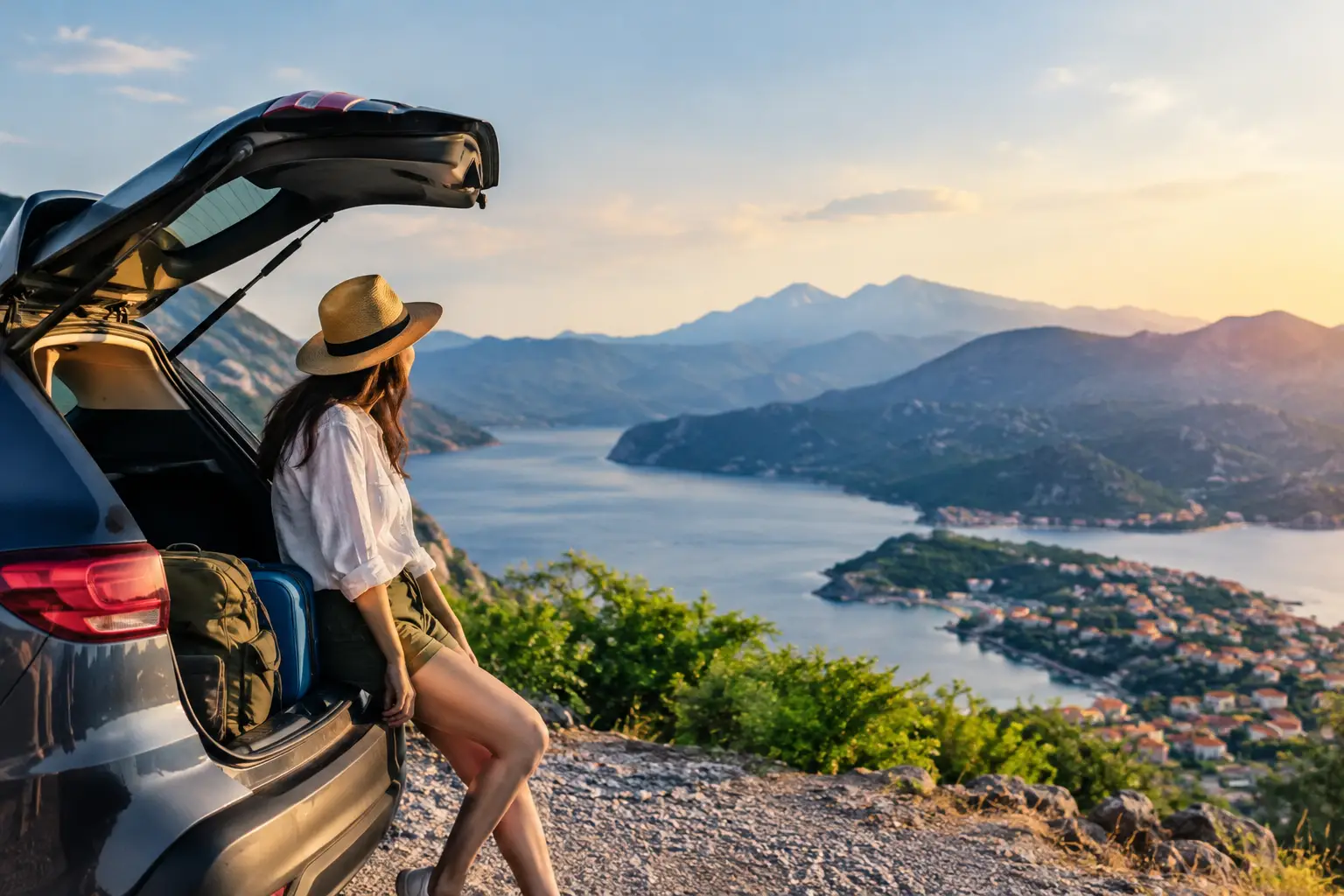
A day that begins with coffee in Mostar can include the cool water of Kravica Waterfalls, lunch in Počitelj, and a late-afternoon stop at Blagaj. That freedom is why the future of Balkan road trips is not about racing through as many countries as possible. It is about traveling on your own schedule, choosing the roads and stops that suit your group, and having a vehicle that makes every part of the trip easier.
For visitors, families, diaspora travelers, and business guests, the Balkans are becoming a more practical road-trip region. Airports, highways, digital maps, and flexible rental options have made independent travel far simpler than it was a generation ago. At the same time, the best trips will still depend on good preparation. Border rules, mountain roads, parking, and the right vehicle all matter.
The Future of Balkan Road Trips: More Choice, Less Rushing
The old idea of a road trip was often a fixed loop: pick up a car, follow a printed route, and return to the same place. Travelers now expect more control. They may land in Mostar or Sarajevo, spend a few days exploring Bosnia and Herzegovina, continue toward the Adriatic coast, and return the vehicle at another convenient location when their itinerary allows.
This change reflects how people actually travel. A couple may want an automatic sedan for a comfortable coastal route. A family may need luggage space, child-seat room, and air conditioning for long summer days. A group of friends may prefer a van so everyone can travel together instead of coordinating multiple cars. The right choice is not always the largest or most expensive vehicle. It is the one that matches the number of passengers, bags, road conditions, and planned border crossings.
Flexible travel also means allowing room for unplanned stops. A bus schedule can be useful for city-to-city transport, but it rarely works well for a morning at Kravica, a short walk through the stone streets of Počitelj, and a quiet meal near the Buna River in Blagaj. Organized tours can be a good option for travelers who want a guide and a fixed plan. Renting a car is often better for visitors who want to stay longer where they enjoy themselves and leave when they are ready.
Cross-Border Travel Will Remain a Major Advantage
The Balkans reward travelers who think beyond one destination. In a relatively short drive, the landscape can change from historic cities and river valleys to mountain passes, vineyards, and the Adriatic coast. That variety is the region's strength, but it also makes cross-border planning essential.
The future will likely bring more travelers building multi-country routes into one vacation. A road trip may combine Bosnia and Herzegovina with Croatia, Montenegro, or nearby destinations, depending on the season and available time. Before departure, travelers should confirm that their rental agreement permits the countries on their route and that they have the required documents for each border. This is not a detail to handle at the last minute.
Border wait times can vary, particularly during summer weekends and holiday periods. A practical itinerary leaves time for them rather than planning every stop to the minute. It is also wise to keep passports, rental documents, insurance information, and any required authorizations organized and easy to reach. Good preparation turns a border crossing from a stressful interruption into a normal part of the journey.
The Best Route Depends on the Season
There is no single best Balkan road trip. July and August are ideal for swimming and long daylight hours, but popular coastal routes, attractions, and border crossings can be busy. Spring and early fall often offer milder temperatures, quieter roads, and a more relaxed pace for sightseeing.
Winter trips have their own appeal, especially for city visits and mountain areas, but drivers should take road conditions seriously. Higher elevations can bring snow, fog, and changing weather. A route that is simple in May may require more time and a more suitable vehicle in January. Checking conditions before setting out is part of safe travel, not an inconvenience.
Technology Will Make Planning Easier, Not Replace Local Judgment
Navigation apps, online booking, and mobile payments have made it easier to organize a trip before landing. Travelers can compare routes, estimate driving times, and reserve a suitable vehicle quickly. That saves time at the airport and gives more confidence to visitors who are driving in the region for the first time.
Still, a map cannot always tell the whole story. A route may be technically shorter but include narrow roads, steep climbs, limited lighting, or heavy seasonal traffic. In older town centers, parking can be restricted or scarce. A route that looks fast on a screen may not be the comfortable choice for a family with young children or a driver unfamiliar with mountain roads.
The useful approach is to combine digital tools with practical decisions. Keep enough fuel for less-populated stretches, avoid arriving at a major attraction just before closing, and do not build an itinerary around unrealistic driving times. If you have a long day planned, choose a comfortable car with room for passengers and bags rather than treating the vehicle as an afterthought.
Day Trips From Mostar Show What Independent Travel Does Best
Mostar is a strong base for travelers who want to see more without changing hotels every night. Several memorable places are close enough for a day trip, yet difficult to combine comfortably when relying only on buses or rigid group schedules.
Kravica Waterfalls are a clear example. With a rental car, travelers can choose an early arrival for a quieter visit, bring what they need for the day, and decide whether to continue toward another nearby stop afterward. Počitelj offers a different pace, with its historic stone architecture, hillside views, and compact old town. Blagaj is well suited to a slower stop for the spring, the historic setting, and lunch beside the water.
These are not destinations that need to be rushed. A car gives you the option to spend 30 minutes at one stop or half a day, based on your interests and the weather. For families, that flexibility can make a major difference. For photographers, it can mean waiting for better light. For business travelers with a free afternoon, it can turn limited time into a meaningful local experience.
Choosing a Vehicle for the Trip You Actually Have
Economy cars are a sensible fit for couples or solo travelers who mainly plan paved roads, city parking, and shorter day trips. Automatic sedans offer a more relaxed experience for visitors who prefer familiar driving and extra comfort on longer routes. Station wagons are useful when luggage space matters, while SUVs can be a strong choice for families, higher driving positions, and routes that include varied terrain.
For larger families and small groups, a van can be more convenient than splitting into separate vehicles. Everyone travels together, luggage stays organized, and there is less time lost coordinating stops. The trade-off is that larger vehicles can be less convenient in very tight historic streets and crowded parking areas. Planning where to park before entering an old town is often the simplest solution.
Reliability Will Matter More Than Novelty
Electric vehicles, improved road networks, and more digital services will influence travel across the region over time. But for most visitors, the future of Balkan road trips will still be defined by familiar priorities: a reliable vehicle, clear rental conditions, responsive support, and the confidence to travel beyond the main city center.
That is especially true when a flight arrives late, children are tired, or a route changes because of weather. Convenience is not a luxury in those moments. It is what keeps the trip moving. Unlimited mileage, comprehensive insurance, and suitable pickup and return options can be more valuable than a complicated travel plan filled with small savings and large compromises.
CityRent has supported travelers since 2004 with vehicles for airport arrivals, family holidays, business travel, and cross-border journeys. The goal is straightforward: help guests spend less time managing transport and more time enjoying the places they came to see.
The most memorable Balkan road trips will not be the ones with the most pins on a map. They will be the ones with enough time to pull over for a view, stay for another coffee, and take the road that leads somewhere worth remembering.