
Foreign Driving Laws for Balkan Road Trips
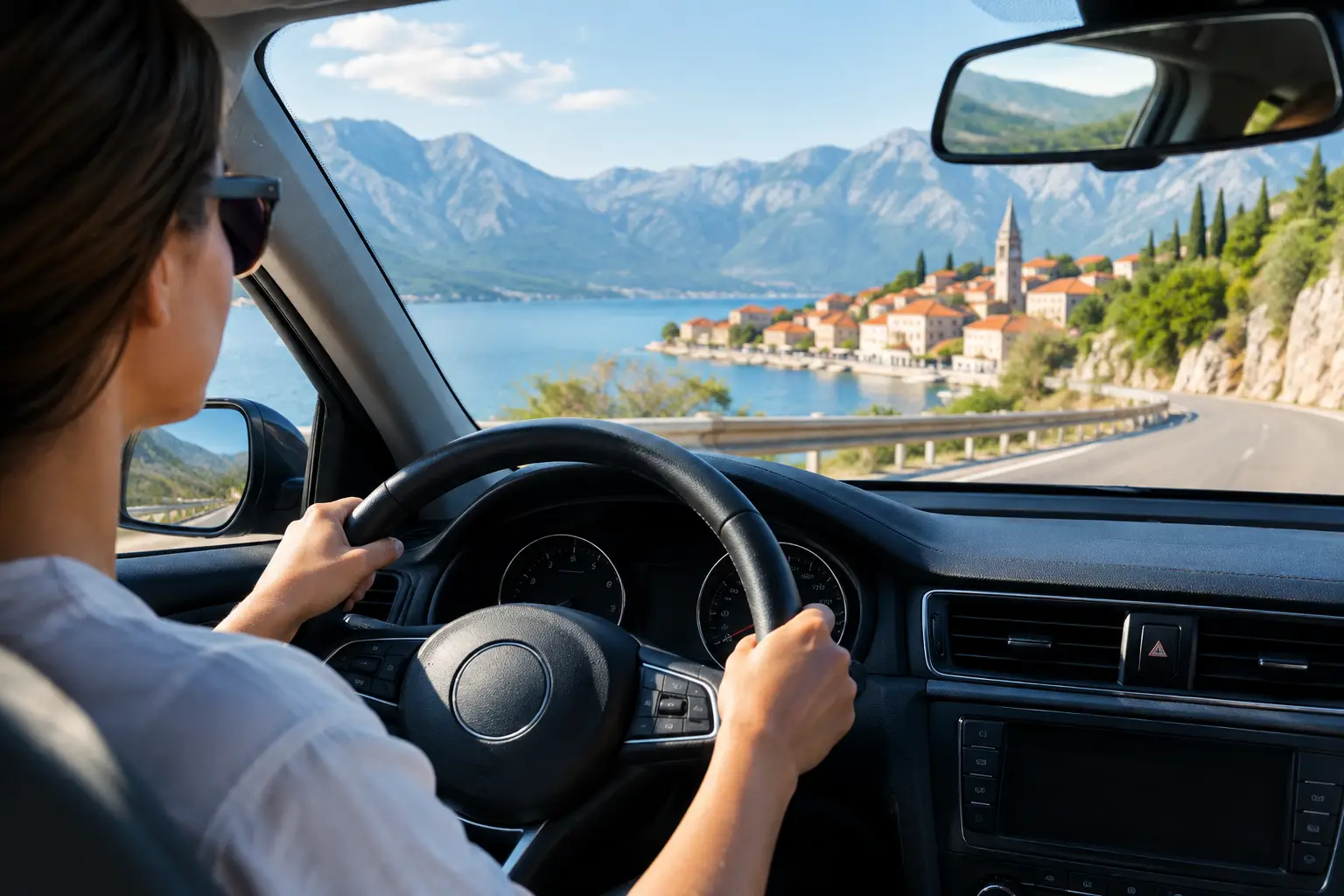
A rental car makes it easy to leave Mostar after breakfast, stop at Blagaj, continue to Počitelj, and reach Kravica Waterfalls on your own schedule. But foreign driving laws can turn a simple day trip into an expensive delay if you arrive without the right documents, miss a local rule, or cross a border without approval. A few practical checks before pickup let you enjoy the freedom of the road with far fewer surprises.
Foreign Driving Laws Start Before You Drive
Your valid home-country driver’s license is the first item to check. For most visitors, it must be carried with a passport or other accepted photo identification. A license must be current, readable, and issued for the vehicle category you plan to drive. If your license is not in the Roman alphabet, an International Driving Permit may be required or strongly recommended. An IDP is a translation document, not a replacement for your license, so carry both.
Requirements can differ between Bosnia and Herzegovina, Croatia, Montenegro, and any other country on your route. They may also depend on your nationality, the length of your stay, and the type of vehicle. Do not assume that rules you have used elsewhere in Europe apply automatically in the Balkans. Check the current official requirements for every country before departure, especially if you are traveling with more than one driver.
With a rental vehicle, the agreement and vehicle documents matter as much as your license. The named renter should be present at pickup, and every person who may drive should be added to the rental agreement before taking the keys. Letting an unregistered friend or family member drive can create insurance problems if there is a traffic stop, damage, or accident.
Ask About Cross-Border Travel First
The Balkans invite flexible itineraries. You may land in Mostar, spend a day at Kravica, then plan to continue toward Dubrovnik or Montenegro. That flexibility is one of the best reasons to rent a car, but crossing an international border in a rental is not something to arrange at the checkpoint.
Tell the rental team which countries you expect to visit when you reserve or collect the vehicle. Cross-border travel may require written authorization, specific insurance documentation, or an additional fee. Some routes or vehicle categories may have restrictions. The exact requirements can change, so it is better to be specific even if a border crossing is only a possibility.
Keep your passport, driver’s license, rental agreement, and all vehicle and insurance papers together in an accessible place. Border officers may ask to see them. Do not leave key documents in checked luggage, in a hotel room, or buried under bags in the trunk.
Also allow time. Border queues can be short on a quiet weekday and much longer during summer weekends, public holidays, or peak arrival periods. A car gives you the freedom to choose your stops, but it does not remove border formalities. Planning an early departure can protect a sightseeing day from becoming a waiting day.
Know the Road Rules That Catch Visitors Out
Road signs and traffic rules are generally familiar to American drivers, but details matter. Vehicles drive on the right. Seat belts are required for occupants, and children must use an appropriate child restraint based on their age and size. If you are traveling with children, request the correct seat in advance rather than relying on a last-minute solution.
Speed limits vary by road type and are posted in kilometers per hour, not miles per hour. This is a common adjustment for US visitors. A posted 50 means 50 km/h, roughly 31 mph, while 90 km/h is roughly 56 mph. Watch carefully as you move from urban areas to open roads, villages, tunnels, and construction zones. Limits can change quickly, and local enforcement may use cameras or roadside checks.
Alcohol rules are stricter than many travelers expect, and limits vary by country and driver category. The sensible rule is simple: if you are driving, do not drink. Save the wine tasting, beer, or rakija for the end of the day, when the car is parked and you have a safe plan for returning to your accommodation.
Phone use is another avoidable risk. Holding a phone while driving is prohibited. Set your navigation before moving, use a secure hands-free setup where permitted, or pull over safely when you need to change directions. Mountain roads and busy town centers demand your attention.
Headlight requirements can vary by country and season. Even where daytime lights are not always mandatory, using dipped headlights improves visibility on shaded roads, in tunnels, and during sudden rain. Do not use high beams around other traffic.
Tolls, Vignettes, and Parking Need a Plan
A Balkan road trip can include toll roads, electronic toll lanes, city parking zones, and roads that require a vignette. Croatia uses toll plazas on many major highways, while other countries may use different systems. Payment options can vary by location, so carry a payment card and a small amount of local cash rather than depending on one method.
Never enter a lane marked for electronic tags only unless your rental vehicle is equipped and you have been instructed to use it. At a toll booth, follow the signs, take a ticket if required, and keep it until exit. Losing a ticket can mean paying the maximum toll for that route.
Parking deserves the same attention. In Mostar and popular stops such as Blagaj, parking may be easy outside peak hours but limited near major attractions. In coastal destinations and historic centers, paid zones, time limits, and resident-only spaces are common. Read the sign where you park, not just the signs you saw on the previous block.
Do not assume that a quick stop with hazard lights is allowed. Hazards are not permission to park in a no-stopping zone, on a sidewalk, across an entrance, or where you obstruct traffic. A legal parking space may cost a little more than an informal option, but it is far cheaper than a ticket, tow, or disrupted travel day.
Drive for the Road You Are On
The distance between destinations can look short on a map, yet drive times may be longer than expected. Roads around Herzegovina can be narrow, winding, and shared with local traffic, cyclists, farm vehicles, and pedestrians. Scenic routes are rewarding, but they are not the place to rush.
Give yourself room on curves, reduce speed before entering a bend, and avoid overtaking unless the road markings and visibility clearly permit it. Passing rules are taken seriously, particularly on two-lane roads. If a local driver wants to pass, stay predictable and let them do so when safe rather than accelerating or moving toward the center line.
Weather changes the calculation. Summer heat can make a vehicle feel fine at departure and tiring by midafternoon. In cooler months, rain, fog, and early darkness can affect visibility, while higher-elevation routes may face winter equipment requirements. Check the forecast for the actual route, not only the city where you are staying.
Fuel stations are readily available on main routes, but it is wise not to let the tank run too low before heading into rural areas or crossing a border. Confirm the correct fuel type for your vehicle at pickup. Filling a diesel vehicle with gasoline, or the reverse, is a costly mistake that can interrupt the trip immediately.
If You Are Stopped or Have an Accident
If police signal you to stop, pull over safely, remain calm, and provide the requested documents. Do not offer cash to resolve a fine or argue at the roadside. If you do not understand the situation, ask politely for clarification and contact your rental provider for support when appropriate.
After an accident, protect the scene first. Stop, switch on hazard lights, and check whether anyone needs emergency assistance. Call local emergency services when there are injuries, significant damage, or a police report is required. Do not move the vehicle unless safety requires it or authorities direct you to do so. Take clear photos, exchange details with the other party, and contact the rental company as soon as possible.
CityRent can help travelers understand the practical documents needed for their planned route before they set off. The best trip is not the one that covers the most ground. It is the one where you have time to pull over at a viewpoint, linger at a waterfall, and return comfortably with the right paperwork already in the car.