
Cross Border Insurance for Balkan Road Trips
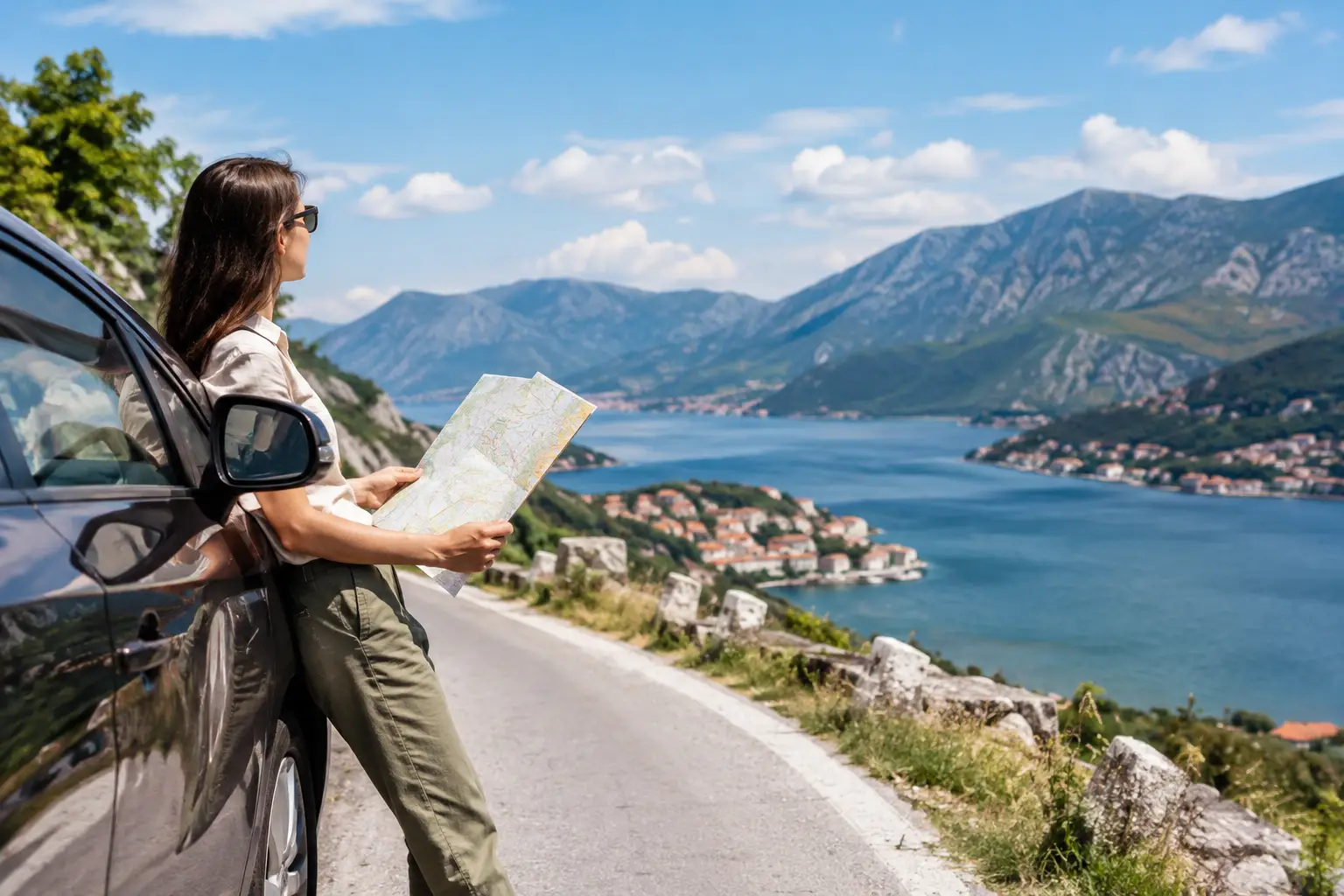
A drive from Mostar to the Adriatic can put several countries within easy reach. That freedom is a major reason travelers rent a car, but cross border insurance should be confirmed before the keys are in your hand. It is not just a line on a rental agreement. It affects whether you can legally take the vehicle across a border, what documents you need, and what protection applies if something goes wrong away from your pickup location.
For a relaxed Balkan road trip, the best approach is simple: tell your rental provider where you plan to travel, confirm permission in advance, and understand exactly what coverage applies in each country on your route.
What cross border insurance means for a rental car
Cross border insurance is the insurance and authorization arrangement that allows a rental vehicle to travel outside the country where it was picked up. It can involve several things: proof that the vehicle is insured, written permission from the rental company, and country-specific documents that border officials may request.
People sometimes assume comprehensive rental coverage automatically follows them everywhere. That is not always the case. A rental agreement may include coverage for the car, while cross-border use still requires prior approval. Some destinations may be permitted, others may have different conditions, and an unapproved border crossing can affect your coverage.
This is why the question is not only, “Am I insured?” It is also, “Is this specific vehicle authorized to enter the countries on my itinerary?” Confirm both points before departure.
Why advance approval matters
Border procedures can be quick, especially on common travel routes, but the officer at the crossing must be able to see that you have the right to drive the vehicle. A valid driver’s license and passport are only part of the picture. Because the vehicle belongs to the rental company, you may also need rental documentation and cross-border authorization.
Advance approval protects your plans in a few practical ways. It reduces the risk of being turned back at the border, avoids confusion over insurance documents, and gives the rental team the chance to prepare the right paperwork for your route. It also helps if you need roadside assistance or support outside the country where you collected the car.
This matters particularly for flexible trips. You may start with coffee in Mostar, plan a swim near Kravica Waterfalls, and decide to continue toward Croatia or Montenegro. A rental car gives you the freedom to make that decision, but only if cross-border travel was arranged before you leave.
Coverage is not the same as permission
It helps to separate two terms that are often treated as if they mean the same thing.
Insurance coverage addresses financial protection if the vehicle is damaged, stolen, or involved in an accident, subject to the rental agreement and any deductible. Permission addresses whether you are allowed to take the rented vehicle into another country in the first place.
You need both. Insurance without authorization may leave you in a difficult position at the border. Authorization without a clear understanding of coverage can create unwanted surprises after an incident.
Ask your rental provider whether the comprehensive insurance included with your booking applies throughout your intended route. Then ask whether there are deductibles, exclusions, or requirements you should know about. Straight answers are more useful than assumptions, especially when traveling with family, luggage, or a tight flight schedule.
Check the details that change from trip to trip
The right arrangement depends on your destination, vehicle category, and travel plans. A day trip from Mostar to nearby sights is different from a week-long route through Bosnia and Herzegovina, Croatia, and Montenegro. A compact car may be ideal for two travelers with light luggage, while a family heading to the coast may need a wagon, SUV, or van.
Before booking or collecting the car, share your full itinerary, including countries you might visit even if they are only possible stops. It is easier to arrange documents in advance than to change plans at a border crossing.
Also confirm whether every intended driver is listed on the agreement. Coverage and permission commonly apply to approved drivers, not simply anyone traveling in the vehicle. If you expect to share driving on long coastal or mountain routes, make sure that is handled before departure.
Documents to carry on a cross-border drive
Keep your essential documents together and accessible, rather than buried in luggage. Border officials may ask for them, and having them ready keeps the crossing straightforward.
Carry your passport, driver’s license, rental agreement, vehicle registration or rental documentation provided by the company, and any cross-border insurance or authorization papers. If you have booked through a company card or used a separate insurance product, keep those details available too, but do not assume they replace the rental company’s authorization.
Use the original documents when required, and protect them from damage. A small travel folder in the glove compartment is a practical solution. Take photos or keep secure digital copies for your own reference, but follow the rental company’s guidance on which physical documents must stay in the vehicle.
Plan the route, not just the border
Cross-border travel is easier when the route is planned with realistic timing. During holidays, summer weekends, and major travel periods, border wait times can change quickly. A drive that looks short on a map can take longer when traffic builds near a crossing.
Build extra time into airport drop-offs, hotel check-ins, and reservations. This is especially useful for travelers returning a vehicle in a different city or catching a flight from Sarajevo, Split, Dubrovnik, or Mostar. The goal is not to rush through your vacation. It is to have enough margin to enjoy the drive.
A car also gives you more control than fixed tours or bus schedules. You can leave early for Blagaj, pause in Počitelj when the light is right for photos, or spend longer by the water at Kravica. The trade-off is that you are responsible for parking, road rules, fuel planning, and border paperwork. For many travelers, that extra responsibility is worth the flexibility.
What to do if there is an accident or breakdown abroad
If an accident happens, focus first on safety. Move to a safe location if possible, check whether anyone needs medical help, and contact local emergency services when required. Do not rely on a quick verbal arrangement with another driver if official reporting is needed.
Then contact the rental provider as soon as you can. The support team can explain the next steps under your rental agreement, including roadside assistance, reporting requirements, and how to document the incident. Take clear photos of the vehicles, location, road conditions, and any visible damage. Keep copies of reports and note the names of authorities or other parties involved.
For a breakdown, use the contact instructions provided with the rental. Do not arrange repairs on your own unless the rental provider tells you to do so. A roadside issue is stressful enough without creating questions about unauthorized work or reimbursement.
Questions worth asking before you reserve
A few direct questions can prevent most cross-border travel problems. Ask which countries are approved for your rental, whether a cross-border fee or document is required, and whether your included insurance applies in every country you will visit. Ask about the deductible, roadside assistance outside the pickup country, and rules for an additional driver.
You should also confirm return arrangements. One-way travel can be convenient, but return locations, timing, and cross-border routes should be agreed in advance. If your plan changes during the trip, contact the rental company before crossing somewhere new rather than assuming the original authorization covers it.
CityRent can help travelers arrange a vehicle suited to their route, from practical cars for sightseeing days to larger options for families and groups. The most useful booking is not simply the lowest-priced car. It is the vehicle, coverage, and travel permission that fit how you actually plan to move through the region.
A well-prepared road trip leaves room for the good surprises: an unplanned viewpoint, a quiet riverside lunch, or a longer stop at a place you expected to see for only an hour. Confirm your cross-border documents before you start the engine, then enjoy the freedom to follow the road where it leads.