
Cross Border Car Rental for Balkan Road Trips
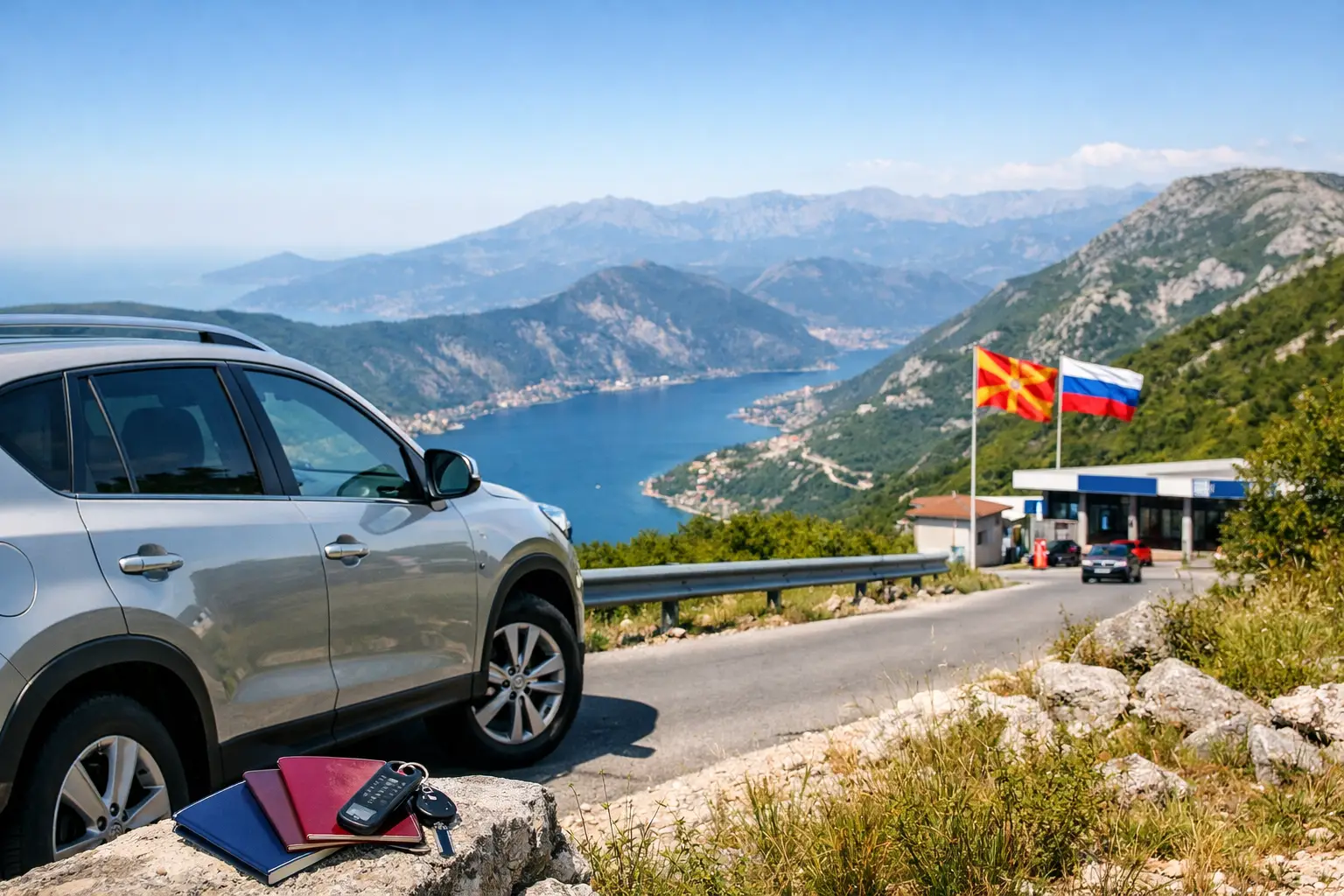
A morning in Mostar can begin with coffee beside the Neretva and end at the Adriatic coast, in a stone village, or at a waterfall well before sunset. That freedom is the real value of cross border car rental. But a border crossing is not simply another turn on the map. Your rental agreement, insurance documents, vehicle category, and planned route all need to support the trip.
For travelers building a Balkan itinerary, a rental car can replace rigid bus schedules and rushed group tours with a plan that fits the people in the vehicle. Families can stop when children need a break. Couples can stay longer at a viewpoint. Business visitors can reach meetings in more than one city without spending hours arranging transfers. The key is to prepare the international part of the rental before you collect the keys.
What cross border car rental means
Cross border car rental means taking a rented vehicle from the country where you pick it up into one or more neighboring countries. In this part of Europe, that may mean collecting a car in Bosnia and Herzegovina and driving into Croatia or Montenegro, depending on the rental provider's approved travel area and your confirmed booking conditions.
Permission matters because a rental car does not automatically have authorization to leave the country. The rental company must know your planned destinations and provide the documents required for those crossings. Border officers may ask for your passport, driver's license, vehicle registration, and proof that you are authorized to use the vehicle. Requirements can change, so the best approach is simple: state every country you plan to enter when booking, even if it is only a short detour.
Do not assume that a route shown by a navigation app is covered by your rental agreement. A faster route may cross an international border, use a ferry, or take you through an area with different driving requirements. Confirm the itinerary before departure rather than trying to solve it at the border.
Plan the route before choosing the car
The right vehicle depends less on the number of days than on how you intend to travel. A compact economy car is a practical choice for two people with light luggage, city parking, and day trips on main roads. An automatic sedan or station wagon gives families more comfort for longer drives and space for bags. For mountain roads, remote viewpoints, or a trip with several passengers, an SUV can offer the ground clearance and seating room that make the journey more relaxed.
Groups should be realistic about luggage. A seven- or eight-seat vehicle may carry many passengers, but every seat in use reduces the room available for suitcases. If you are arriving with airport luggage and planning to move between countries, a larger van is often the simpler option. It avoids the uncomfortable choice between packed bags and packed passengers.
A well-planned car also improves local sightseeing. From Mostar, you can visit Blagaj in the morning, stop in Počitelj for lunch, and spend the afternoon at Kravica Waterfalls on your own schedule. A rental car lets you decide whether to return to Mostar, continue toward the coast, or add an overnight stop without rearranging a tour reservation. That flexibility is especially useful when weather, crowds, or your own pace changes the day.
Allow more time than the map suggests
Driving times in the Balkans are not always a complete picture. Mountain roads, seasonal traffic, roadworks, narrow historic streets, and border queues can add time to an otherwise short journey. In summer, weekends and major holiday periods can mean longer waits at popular border crossings.
Build margin into your plans. If you have a flight from Split or Dubrovnik, do not schedule your border crossing at the last possible hour. Treat the border as part of the journey, not a five-minute stop between two destinations. A calm schedule also gives you room for the stops that make road travel worthwhile.
Documents and insurance to confirm before departure
A professional rental handover should make international travel clear. Ask which documents you need to carry, which countries are approved, and whether any cross-border authorization or fee applies. Keep the paperwork in the vehicle where it is easy to reach, not at the bottom of a suitcase.
Your personal documents are equally important. Bring the driver's license used for the reservation and a valid passport. Depending on your country of license and the destinations on your route, an International Driving Permit may be advisable or required. Check the current rules for your nationality before traveling rather than relying on advice from a past trip.
Insurance deserves a direct conversation. Comprehensive insurance can provide valuable reassurance, but coverage conditions, deductibles, exclusions, and permitted countries still matter. Ask what is included, what happens in the event of damage or a roadside incident, and what steps you should follow if an accident occurs outside the pickup country. Clarity before departure is far more useful than trying to interpret documents after a problem.
It is also wise to save the rental company's support number in your phone and keep a paper copy with the vehicle documents. Mobile service is widely available on major routes, but battery life and signal are not guaranteed in every mountain area.
Cross border car rental: practical driving habits
Crossing a border is easier when the driver stays organized. Keep passports and rental documents together. Approach the checkpoint slowly, follow the lane signs, and avoid using your phone while waiting. Answer questions clearly and allow officers to inspect the documents if requested.
Once across, pay attention to changing road rules. Speed limits, toll systems, required equipment, parking controls, and fuel availability can differ from one country to the next. Some roads require toll payments, while others may use electronic or sticker-based systems. Ask about the expected route when you collect the car, particularly if you plan to use highways or travel through multiple countries in one day.
Fuel policy is another small detail that can save time. Know whether you should return the car with the same fuel level, and leave enough time near the return location to refuel if needed. If your plan includes a different drop-off city or airport, confirm that arrangement in advance. One-way travel can be highly convenient, but it needs to be part of the reservation, not a last-minute request.
When a rental car is the better choice
A car is not always necessary for a city-only stay. If your plans are limited to central Mostar and you prefer walking, taxis, and a slow pace, you may not need one every day. For a multi-stop holiday, however, a rental car is often the more comfortable choice.
It gives you control over departure times, luggage, rest stops, and changes of plan. You can spend an extra hour at Kravica Waterfalls, take the scenic route through Herzegovina, or leave early to avoid busy roads. For families, diaspora visitors carrying gifts and luggage, and small groups sharing travel costs, that control can be more valuable than the vehicle itself.
CityRent has supported Balkan travelers since 2004 with practical vehicle options, airport and city pickup points, and travel-focused service. The best rental is not necessarily the smallest or the most premium one. It is the one that matches your route, passengers, luggage, and border plans without adding uncertainty to the trip.
Before you set off, review the countries on your itinerary one last time, confirm your documents, and give yourself extra time for the road. Then let the journey stay flexible - because some of the best stops in the Balkans are the ones you only notice when you are free to pull over.