
Croatia Toll Roads Guide for Easy Driving
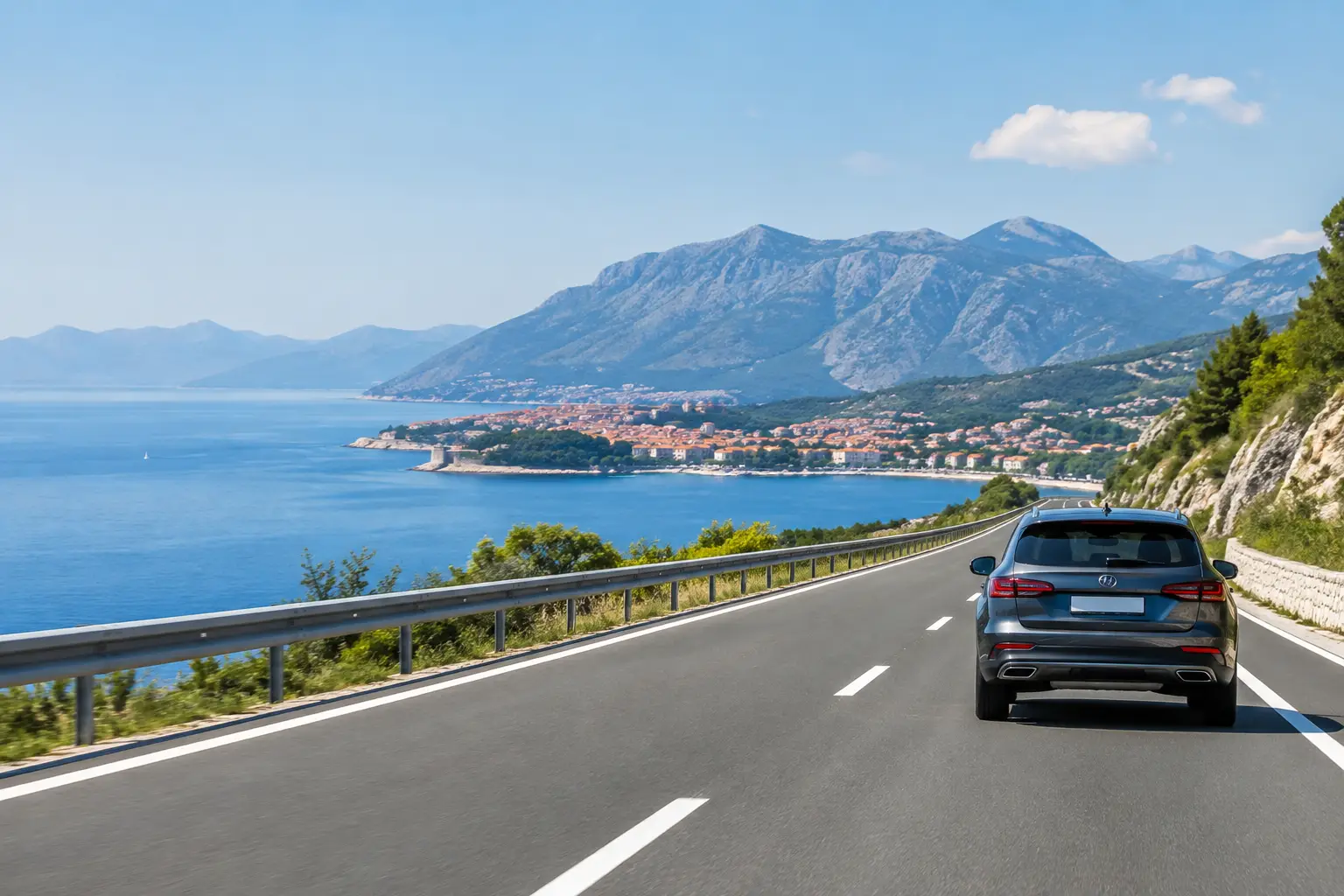
Croatia rewards travelers who prefer to set their own pace. A rental car lets you leave Mostar after breakfast, stop at Kravica Waterfalls or Počitelj, cross into Croatia when it suits your plans, and continue toward Split, Dubrovnik, or Zagreb without waiting for a bus or following a tour schedule. This Croatia toll roads guide explains what to expect before you join the highway.
Croatia's modern highways are generally well maintained, clearly marked, and easy to use. The practical part is understanding how tolls work, what to keep in the car, and when a scenic local road may make more sense than the fastest route.
How Croatia toll roads work
Most Croatian highways use a closed toll system. You collect a ticket when entering the highway and pay when you leave. The charge depends on the distance traveled and your vehicle category, so keep the entry ticket somewhere safe and easy to reach. Losing it can result in a higher charge based on the longest possible route from that entry area.
At the exit plaza, follow the lane marked for your preferred payment method. Major routes usually accept payment cards and euros, while cash lanes may also be available. A contactless card is often the simplest choice, but carrying a backup card and a small amount of euro cash is sensible, particularly if you are traveling with family or crossing several borders in one day.
Croatia uses the euro, so there is no need to exchange Croatian kuna. If your card is issued outside Europe, check before your trip that it is enabled for international transactions. It is also wise to decline any payment conversion option if your card provider offers a better exchange rate in your home currency.
What affects the toll amount
There is no single fixed price for Croatian highways. Your cost depends on the route, distance, and vehicle category. A regular passenger car is usually in the standard low-height category. Larger vans, vehicles towing trailers, and some taller SUVs may be charged differently.
For a road trip budget, plan for tolls as a normal travel expense rather than trying to memorize exact amounts. A short airport-to-city stretch may cost very little, while a long drive across the country can add a noticeable amount to the day. The benefit is time: highways can make a major difference when you want to fit a beach stop, a national park, and a hotel check-in into the same afternoon.
The main Croatian routes travelers use
The A1 is the best-known route for visitors traveling between Zagreb and the Dalmatian coast. It connects the capital with Zadar, Šibenik, Split, and areas farther south through connecting roads. It is fast, scenic in places, and particularly useful for families and groups who would rather spend their vacation time at the destination than on slower inland roads.
The A3 runs east-west through the Zagreb area and is useful for longer cross-country journeys. The A6 links Zagreb with Rijeka and the northern Adriatic, while the A7 serves parts of the Kvarner coast. In Istria, the Istrian Y network is also tolled on key sections.
From Bosnia and Herzegovina, many travelers enter Croatia near the southern Dalmatian coast and use local roads first. If you are starting around Mostar, the drive toward the border is straightforward, but travel times can vary with border traffic in summer. Once in Croatia, you may choose a toll highway for speed or stay on local roads for views and stops along the coast.
For Dubrovnik, a toll road is not always the central part of the journey. Coastal roads, border conditions, and your exact starting point often matter more. For Split and destinations north of it, joining the A1 can be a comfortable option when time is limited.
Paying tolls in a rental car
You do not need a special device to use Croatian toll roads. Take a ticket, pay at the exit, and keep the receipt until you have left the highway. This is usually the most convenient approach for short-term visitors.
Electronic toll devices can offer quicker passage in designated lanes, but only use one if it has been provided with the vehicle and you understand the rental terms. Do not enter an electronic-only lane unless your car is equipped and authorized for it. If you are unsure at a toll plaza, slow down early, read the lane signs, and choose a staffed or standard card-payment lane.
Before departure, make sure your rental agreement allows travel into Croatia and that you have the required cross-border documentation. This matters more than the toll itself. A professional rental provider should confirm the permitted countries, insurance conditions, and any documents you need to carry before you leave.
Keep these items accessible rather than packed deep in the trunk: your driver's license, passport or identification, rental agreement, vehicle documents, payment card, and any cross-border authorization. At a border crossing, being organized helps everyone in the car stay calm, especially on busy summer weekends.
When the highway is worth it
The highway is usually the right choice when you have a long transfer day, children in the car, a fixed hotel arrival, or a flight to catch. It is also useful in bad weather, after dark, or when you simply want an easier drive. Croatian highways have regular service areas where you can fuel up, use restrooms, get a coffee, and take a break.
Local roads are better when the drive is part of the experience. The coastal route can offer memorable Adriatic views, access to small towns, and more flexibility for lunch or swimming stops. The trade-off is that it can be slower, busier in peak season, and more tiring due to curves and frequent changes in speed limits.
A practical approach is to use the highway for the longest inland section, then move to local roads near the coast or your final destination. This gives you speed where it matters and freedom where it is most enjoyable.
Driving rules that prevent expensive mistakes
Tolls are only one part of planning a Croatian road trip. Speed cameras, seasonal traffic, and parking rules can have a bigger impact on your trip if you are not prepared. Always follow posted limits, which may change quickly near exits, tunnels, towns, and construction zones.
Seat belts are required, and drivers should avoid using a handheld phone. Croatia has strict drink-driving rules, so the safest choice is simple: if you plan to drink, do not drive. Let another eligible driver take the wheel or arrange transportation.
In warmer months, leave extra time for weekends and holiday changeover days. Traffic can build near coastal cities, popular resort areas, border crossings, and toll plazas. Starting early is often more valuable than trying to find a faster route after congestion has already formed.
Check the fuel level before long stretches, even though service stations are common on major highways. If you choose mountain or rural roads, do not assume the next station is only a few minutes away. A comfortable car, enough water, charged phones, and a realistic schedule make the drive much more enjoyable.
Croatia toll roads guide: a simple trip plan
For a smooth drive, plan your route the night before, save your accommodation address offline, and decide whether time or sightseeing is your priority. At the toll plaza, take the ticket, keep it with your card, and use a clearly marked payment lane when exiting. There is no need to overcomplicate it.
If your trip begins in Mostar, having a rental car also gives you the freedom to enjoy nearby sights before crossing the border. You can visit Blagaj, Kravica Waterfalls, or Počitelj on your own schedule rather than committing to a fixed group itinerary. Then, when you are ready for Croatia, your car is already packed and your route is your own.
A little preparation turns Croatian toll roads into a simple part of the journey, leaving more time for coastal views, unplanned stops, and arriving where you want to be without rushing.