
Can Tourists Drive in Montenegro? Rules to Know
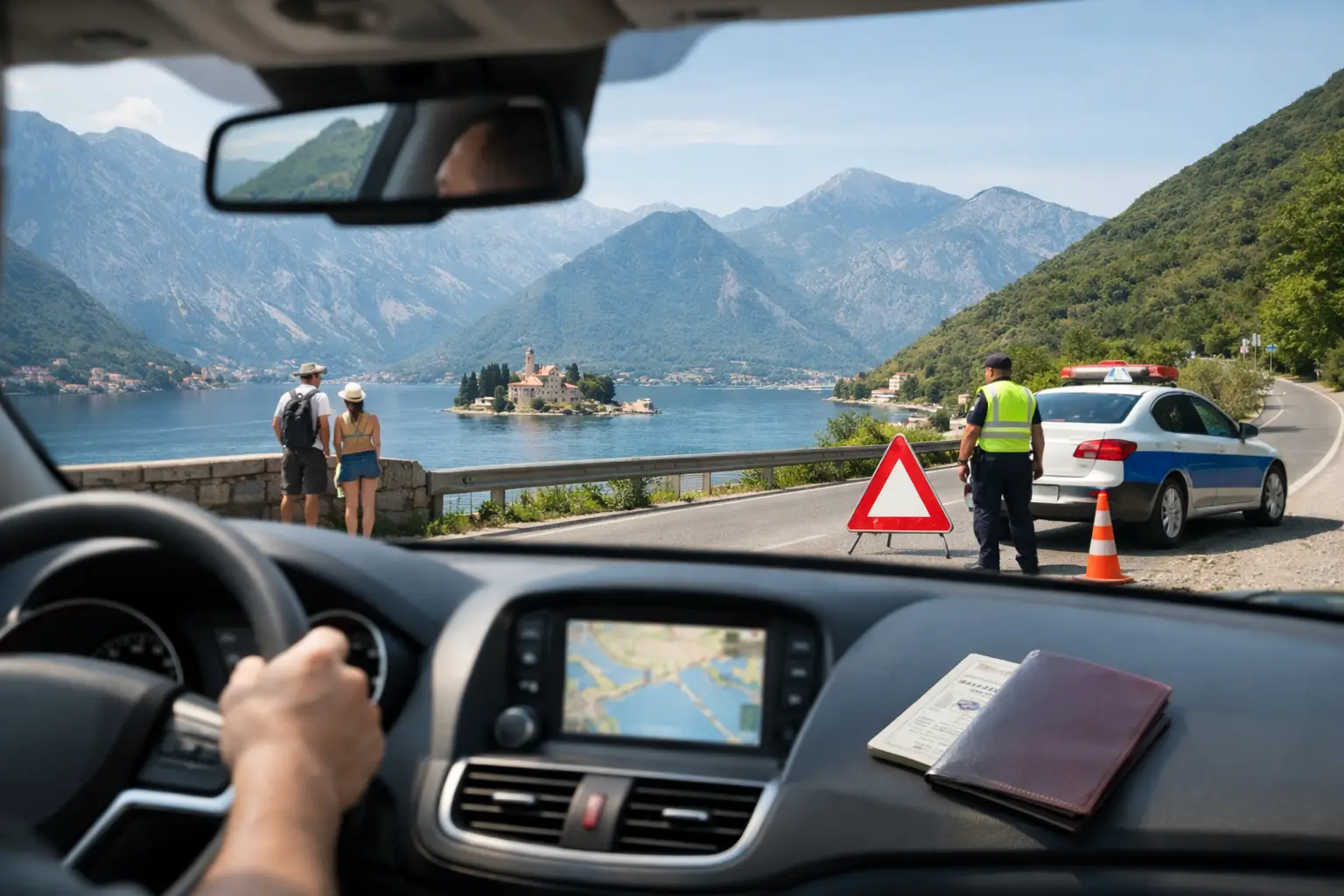
A drive from the Bay of Kotor to mountain viewpoints, quiet villages, and the Adriatic coast can turn a Montenegro visit into a far more flexible trip. But can tourists drive in Montenegro without facing unexpected paperwork or difficult road conditions? Yes, in most cases - provided you have the right license, rental documents, and a realistic plan for the roads.
For travelers arriving from nearby Balkan cities or continuing a longer regional itinerary, a rental car is often the simplest way to travel on your own schedule. Montenegro is compact, but its landscapes are steep, its roads can be narrow, and border arrangements matter. A little preparation makes the journey much easier.
Can tourists drive in Montenegro legally?
Tourists can generally drive in Montenegro with a valid driver’s license issued in their home country. Your license must be current, and you should carry your passport or another accepted form of identification whenever you drive.
For US visitors, an International Driving Permit is strongly recommended, especially if you want extra clarity when dealing with police checks, border officials, or rental paperwork. It is a translation document used alongside your valid US license, not a replacement for it. Travelers whose licenses are not printed in the Latin alphabet should be particularly careful to arrange an IDP before departure.
The legal ability to drive and a rental company’s eligibility rules are not always the same thing. Rental providers commonly set minimum age requirements and may require that you have held your license for a certain period. Younger drivers may have additional conditions. Confirm these details before booking rather than assuming a license alone is enough.
Bring the documents that matter
A relaxed road trip starts before you collect the keys. Keep your essential documents together and make sure every planned driver is listed on the rental agreement. If you are stopped or cross a border, being organized saves time.
For a rental car trip in Montenegro, you will normally need:
- A valid driver’s license for each registered driver
- A passport or accepted photo ID
- Your rental agreement and vehicle registration documents
- Proof of insurance and any authorization for cross-border travel
Do not rely on a photo of your documents saved on your phone. Digital copies can be useful backups, but officials and rental desks may require originals.
If you plan to rent in Bosnia and Herzegovina, Croatia, or another nearby country and enter Montenegro, tell the rental company in advance. Cross-border travel needs to be approved in your agreement, and the vehicle must have the correct insurance documentation for Montenegro. This is especially relevant for visitors flying into Mostar, Sarajevo, Split, or Dubrovnik and building a multi-country route.
Insurance and border travel: check before you go
Montenegro is not in the European Union, although it is a popular extension to Croatian and wider Balkan itineraries. That distinction can affect rental insurance and cross-border permissions.
Comprehensive rental coverage can make a significant difference when you are traveling unfamiliar mountain roads or parking in busy coastal towns. Still, read what is included and what may be excluded. Damage to tires, wheels, windshields, the vehicle interior, or the underside of the car may be handled differently depending on the agreement. Ask about the deductible, roadside assistance process, and whether there are restrictions on unpaved roads.
Border rules are another reason to plan ahead. You may not be allowed to take every vehicle across every border, and taking a car abroad without written approval can leave you without proper coverage. Allow extra time at crossings during summer weekends and major holiday periods. Montenegro’s border points can be busy when travelers are moving between the coast, Dubrovnik, Mostar, and inland Balkan destinations.
What driving in Montenegro is really like
The distances look short on a map. The driving time can be longer than expected.
Coastal roads around Kotor, Budva, and Herceg Novi can be scenic but slow, especially from June through September. Traffic builds behind buses, parking is limited in historic centers, and curves demand patience. The Bay of Kotor road is beautiful, but it is not the place to rush through a schedule built around exact arrival times.
In the north and central mountain regions, roads may be steep, winding, and narrow. You may meet oncoming traffic on a stretch where only one vehicle comfortably fits. Slow down, use designated pull-offs when available, and do not attempt to pass unless you have a long, fully clear view ahead. A smaller car is often easier to manage for couples and light packers, while a comfortable SUV or wagon can be a better choice for families, luggage, and higher-elevation routes.
Automatic vehicles are a practical choice for travelers unfamiliar with mountain driving. They reduce the work of frequent gear changes on climbs and descents, though you should still use lower gears where appropriate to control speed downhill. Choose a vehicle that fits your route rather than simply choosing the largest model available.
Key road rules visitors should know
Montenegro drives on the right. Seat belts are required for all occupants, and children need suitable child restraints. Using a handheld phone while driving is not allowed, so set up navigation before moving and use hands-free features where permitted.
Posted signs always control, but common maximum speeds are typically 31 mph (50 km/h) in built-up areas, 50 mph (80 km/h) outside towns, 62 mph (100 km/h) on expressways, and 81 mph (130 km/h) on motorways. Conditions may call for much lower speeds, particularly on coastal bends, in tunnels, during rain, and on mountain roads.
Alcohol limits are strict. The sensible rule for visitors is simple: if you are drinking wine with dinner or enjoying a local tasting, do not drive afterward. Arrange a ride, stay nearby, or choose a different driver. This protects your trip and avoids a serious legal problem.
Use headlights or daytime running lights as required, and keep an eye on weather forecasts. In colder months, winter equipment and tires may be required on certain roads or in certain conditions. A rental vehicle should be properly equipped for the season, but it is still wise to ask what is fitted if you are traveling between November and early spring.
Parking, tolls, and fuel without the stress
Parking is one of the main practical challenges in Montenegro’s popular coastal destinations. In Kotor and Budva, central spaces can fill early, while old-town areas may have access restrictions or pedestrian-only streets. Use marked spaces, pay attention to local signs, and do not block narrow lanes just to take a photo. Fines and towing can quickly disrupt a day of sightseeing.
Many paid parking areas use attendants, machines, or mobile payment options. Carry some euros for smaller lots and roadside services. Montenegro uses the euro, which keeps cash planning simple for many travelers continuing from Croatia, but do not assume every small parking point accepts cards.
There are toll sections on certain routes, including the Sozina Tunnel, and some travelers use the ferry crossing at Kamenari-Lepetane to save time around the Bay of Kotor. The ferry can be useful, but it has queues during peak season and depends on operating conditions. If you are heading to an airport or have a fixed reservation, build in extra time rather than treating it as a guaranteed shortcut.
Fuel stations are widely available along main roads and around towns, but they are less frequent in remote mountain areas. Refill before a long scenic drive, especially if your route includes Durmitor, Lake Skadar back roads, or smaller inland villages. Returning a rental with the required fuel level also avoids unnecessary charges.
Plan your route around daylight, not just distance
Montenegro rewards travelers who leave room for stops. A route that appears to take two hours can easily become four when you include viewpoints, traffic, construction, a ferry line, and a coffee break in a village you did not expect to find.
Try to avoid starting an unfamiliar mountain route late in the afternoon. Daylight makes narrow roads easier to read, gives you more margin for slow traffic, and lets you enjoy the scenery without pressure. Download offline maps before entering remote areas, keep your phone charged, and share your intended route with someone if you plan to drive far from the main tourist corridors.
For many visitors, a car is also the best way to connect Montenegro with nearby sights at their own pace. You can leave Mostar after breakfast, stop at Kravica Waterfalls, visit the stone lanes of Počitelj or the spring at Blagaj, and continue toward the Montenegrin coast when the timing suits you. That freedom is difficult to match with a fixed tour or infrequent bus timetable.
Driving in Montenegro is not difficult for a prepared visitor, but it does reward calm decisions: choose a suitable vehicle, arrange cross-border permission before collection, respect the curves and weather, and leave time for the road itself. The best parts of the journey are often the unplanned stops you can make because you have the keys.