
Bosnia Winter Equipment Rules 2026/2027
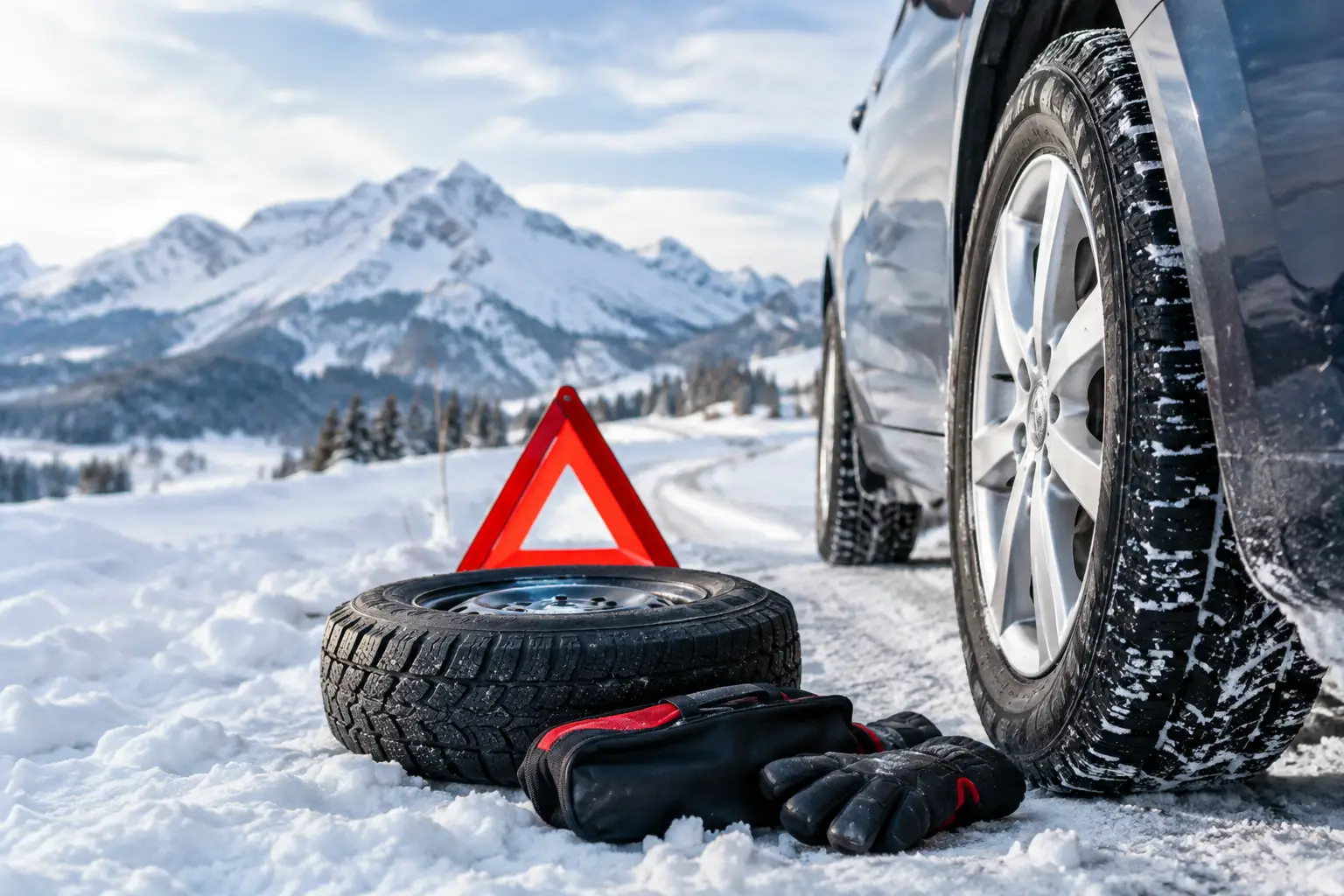
A clear road leaving Mostar can turn wintry quickly as you climb toward Sarajevo, Blidinje, or the mountain passes. For travelers planning a road trip, Mandatory Winter Equipment in Bosnia and Herzegovina 2026/2027 is not a detail to leave until pickup day. It affects what you need in the car, where you can drive confidently, and whether you are prepared if conditions change.
When winter equipment is required in Bosnia and Herzegovina
The standard winter-equipment period runs from November 1, 2026, through April 1, 2027. During this period, vehicles traveling on roads in Bosnia and Herzegovina must carry or use approved winter equipment, even if the weather is mild when you set out.
That matters because winter conditions are highly regional. Mostar and the Herzegovina coast can be sunny and dry while higher roads toward Sarajevo, Jahorina, Vlašić, or northern Bosnia have snow, ice, fog, or freezing rain. A route that looks simple on a map may cross an exposed pass where conditions are very different.
Road authorities may also introduce temporary restrictions during severe weather. These can include a requirement to fit snow chains on certain roads or limits for vehicles that are not properly equipped. Check local road conditions before a longer drive, especially after heavy snowfall.
Mandatory winter equipment in Bosnia and Herzegovina 2026/2027
For passenger vehicles, the practical requirement is to have tires with sufficient tread and winter capability for the season. Drivers generally meet the requirement in one of two ways: with winter tires fitted on all four wheels, or with suitable tires and snow chains or other approved traction devices available for the drive wheels when conditions require them.
Winter tires should have at least 4 mm of tread depth. Markings such as M+S, M&S, or MS are commonly used to identify winter or all-season tires, while the three-peak mountain snowflake symbol provides additional reassurance for genuine snow performance. For a winter route through mountain areas, tires with the snowflake symbol are the more comfortable choice.
Snow chains are especially useful for travelers heading to ski areas or using smaller mountain roads. They are not something to test for the first time on a dark roadside in falling snow. If your itinerary includes higher elevations, ask at vehicle pickup where the chains are stored and how they fit the vehicle.
What renters should check before leaving
A reliable rental vehicle should be prepared for the season, but a quick check at pickup gives you peace of mind and prevents delays later. Confirm that the tires are appropriate for your planned route, that tread depth looks healthy, and that any chains supplied with the vehicle are present and accessible.
Also ask whether the vehicle has an ice scraper, reflective safety vest, warning triangle, and first-aid kit. These are practical items to have in any season, but they are far more valuable when visibility drops or you need to stop safely on a cold roadside.
If you are traveling as a family or carrying ski luggage, choose a vehicle that suits both the weather and your load. A compact car can be a good value for city driving and the main roads around Mostar. For a winter trip involving mountain accommodation, several passengers, or bulky bags, a larger sedan, wagon, SUV, or van may offer more space and a more relaxed drive. The best option depends on your route, not just the forecast at the airport.
Plan your route around real conditions
Winter equipment helps, but it does not make every road equally suitable. Main highways and major regional roads are usually cleared first, while local scenic roads may remain slippery longer after a storm. Allow more time than your navigation app suggests, keep fuel levels comfortably above empty, and avoid relying on isolated shortcuts after dark.
For travelers based in Mostar, a rental car still offers valuable flexibility in winter. On dry days, you can comfortably visit Blagaj, Počitelj, or Kravica Waterfalls on your own schedule rather than working around a tour departure or limited bus timetable. If snow is expected on a day trip, stay on well-maintained roads and save higher-elevation plans for better conditions.
A simple winter-driving approach
Drive smoothly, leave more following distance, and brake early. On snow or ice, sudden steering, acceleration, and braking are more likely to cause a loss of control than speed alone. Keep headlights on when visibility is poor, clear all snow and ice from windows before moving, and do not stop where your vehicle could block a narrow road.
CityRent can help travelers select a vehicle that fits a winter itinerary, from practical airport pickups to comfortable options for family and cross-country travel. Before you leave, confirm the expected conditions for your route and make sure you understand the equipment in your vehicle. A few minutes of preparation gives you more freedom to enjoy the drive when the weather changes.