
8 Best Vehicles for Group Travel
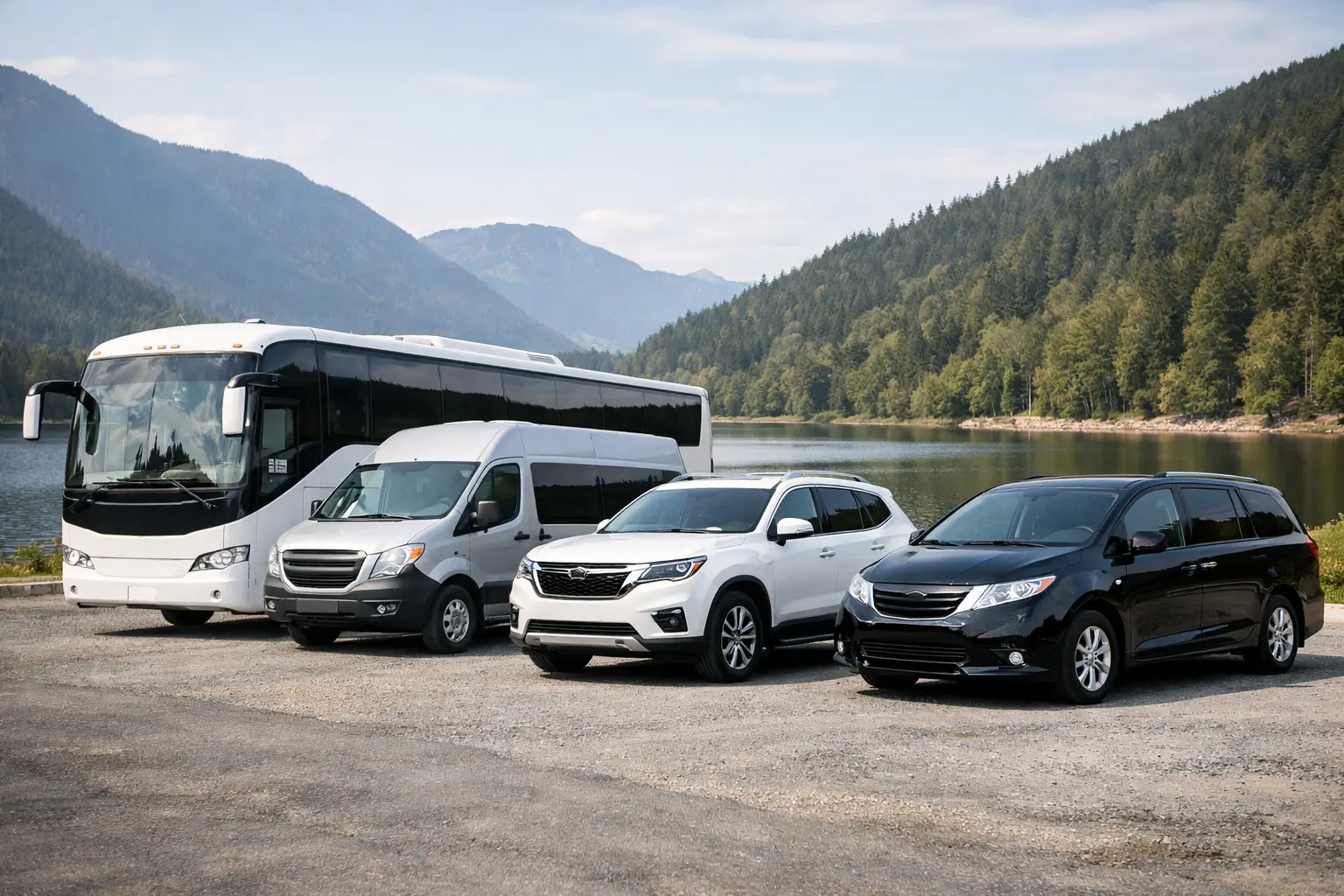
A group trip usually sounds easy until bags start piling up, two people want extra legroom, and someone realizes the route includes airport pickup, old town streets, and a day trip out to the countryside. Choosing the best vehicles for group travel is less about picking the biggest option and more about matching the vehicle to how your group will actually move.
That matters even more in the Balkans, where one trip can include city driving, border crossings, mountain roads, and stops at places that are easier to reach by car than by bus or fixed tours. If your group is traveling from Mostar to spots like Blagaj, Počitelj, or Kravica Waterfalls, the right vehicle gives you more control over timing, comfort, and luggage without turning the drive into a compromise.
What makes the best vehicles for group travel?
The best choice usually comes down to four things: passenger count, luggage space, trip length, and the kind of roads you expect to drive. A vehicle that works well for four adults on a short airport transfer may feel cramped on a three-day regional trip. On the other hand, renting too large a vehicle can make parking harder and raise fuel costs without giving your group any real benefit.
Comfort is not just about soft seats. It is about how long people can stay relaxed in the car, whether everyone has room for a backpack or suitcase, and how easy it is for passengers to get in and out during frequent stops. For sightseeing around southern Bosnia and Herzegovina or longer drives toward the coast, those details make a visible difference by the second or third hour.
The best vehicles for group travel by group size
Minivans for families and small groups
For many travelers, a minivan is the most balanced answer. It works especially well for five to seven passengers who need proper seating and usable cargo space. Families with children, groups of friends with weekend bags, or airport arrivals with several suitcases often find that a minivan solves problems before they start.
The main advantage is flexibility. A minivan gives better passenger comfort than trying to fit everyone into a standard sedan, and it avoids the bulk of a large passenger van when your group does not need extra seats. If your plan includes multiple short drives in one day, such as leaving Mostar in the morning and stopping at Blagaj, Počitelj, and Kravica before returning in the evening, a minivan keeps the day simple.
The trade-off is size. It is still larger than a regular car, so drivers who prefer compact vehicles may need a little more care in older town centers or tighter parking areas.
Passenger vans for larger groups
When the group reaches eight or nine passengers, a proper passenger van is usually the best fit. This is the practical choice for extended families, small tour groups, wedding guests, sports teams, or business travelers moving together.
A good van keeps the group in one vehicle, which sounds obvious but solves several headaches at once. Everyone arrives at the same time, nobody gets separated, and there is no need to coordinate two drivers or split luggage between cars. For airport pickups or multi-stop travel, that convenience often matters as much as the extra seats.
Not every large van handles luggage equally well, though. If your group is full and everyone brings large suitcases, cargo space should be checked carefully. Seat count alone does not tell the whole story.
SUVs for smaller groups that want comfort
An SUV can be one of the best vehicles for group travel when the group is smaller, usually four to five people, and comfort matters more than maximum seating. This is a strong option for travelers who want a higher driving position, more legroom, and space for medium luggage without moving into van territory.
SUVs are often a smart middle ground for mixed itineraries. If your trip includes highways, local roads, and longer scenic drives, they tend to provide a calm, comfortable ride. Business travelers and couples traveling with another pair often prefer this setup because it feels more refined while still practical.
The limitation is clear: once the vehicle is full of adults and luggage, the space can disappear quickly. An SUV is not the right answer just because it looks roomy from the outside.
Station wagons for efficient long-distance travel
Station wagons are sometimes overlooked, but they deserve attention. For four or five travelers with moderate luggage, they can be more useful than a sedan and easier to manage than a van. The long cargo area is especially helpful for strollers, extra bags, or gear that does not fit neatly into a traditional trunk.
For road trips across Bosnia and Herzegovina, Croatia, or Montenegro, a station wagon offers good fuel efficiency and a more car-like driving experience. That makes it appealing for travelers who want space without giving up easy handling.
This option works best when passengers are comfortable sharing the cabin closely. If everyone wants generous personal space, a minivan will usually feel better.
Two vehicles instead of one
Sometimes the smartest choice is not a single large vehicle at all. If your group includes eight or more people with heavy luggage, or if part of the group has different plans during the trip, booking two smaller vehicles may be more practical than one van.
This can work well for travelers who want flexibility. One car can handle a scenic detour or dinner stop while the other returns earlier. It also helps if not everyone is staying at the same accommodation. The downside is coordination, especially with parking, fuel stops, and navigation. For tightly planned travel, one larger vehicle remains simpler.
How to choose the right vehicle for your route
The route matters as much as the group size. If you are staying near Mostar and planning short sightseeing drives, you may value easy parking and quick access to local attractions more than extra cargo room. A minivan or station wagon often covers that well. You can leave on your own schedule, spend as much time as you like at each stop, and avoid building the day around bus timetables.
For longer regional travel, comfort becomes more important. A vehicle that feels acceptable for forty minutes may feel tiring after four hours. That is where better seat support, rear passenger space, climate control, and room for bags start to matter more.
Cross-border plans also affect the decision. If your group intends to travel between neighboring countries, it helps to choose a vehicle that keeps everyone comfortable over longer distances and reduces the need for constant repacking or seat rearranging.
Questions worth asking before booking
Before you reserve, think beyond the headline seat number. Ask how many adults will be traveling, how much luggage they will actually bring, whether children need car seats, and who will be driving. An experienced driver may be perfectly comfortable with a larger van, while another traveler may prefer something closer to a standard car.
It also helps to think about the rhythm of the trip. A single airport transfer has very different needs from a week of moving between cities and attractions. If your group plans frequent stops for sightseeing, meals, and photos, ease of entry, visibility, and storage become more important than they might seem during booking.
Automatic transmission can also make a difference, especially for visitors unfamiliar with local roads. For many travelers, it reduces fatigue and keeps the drive more relaxed.
When chauffeur service makes more sense
Self-drive is often the best option for freedom, especially for day trips and flexible sightseeing. But there are cases when chauffeur service is the better fit. Large family groups, business visitors on a schedule, and travelers who do not want to manage navigation, parking, or local driving conditions may prefer having an experienced driver.
This is especially useful when the goal is to enjoy the route rather than think about the road. Everyone in the group can travel together, and no one has to take turns being the driver.
A practical way to decide
If your group has five to seven people, start with a minivan. If it has eight or nine, look at a passenger van. If you have four or five travelers who want comfort with lighter luggage, an SUV or station wagon may be the better value. And if your plans split during the trip, two vehicles can sometimes be the cleaner solution.
CityRent serves travelers who need that kind of flexibility, whether the trip is a simple airport arrival, a family holiday, or a sightseeing plan built around the freedom to stop where and when you want. The right vehicle should make the trip feel easier from the first pickup, not just large enough on paper.
A good group vehicle does one job very well: it lets everyone focus on the trip instead of the logistics.