
How to Avoid Border Crossing Delays by Car
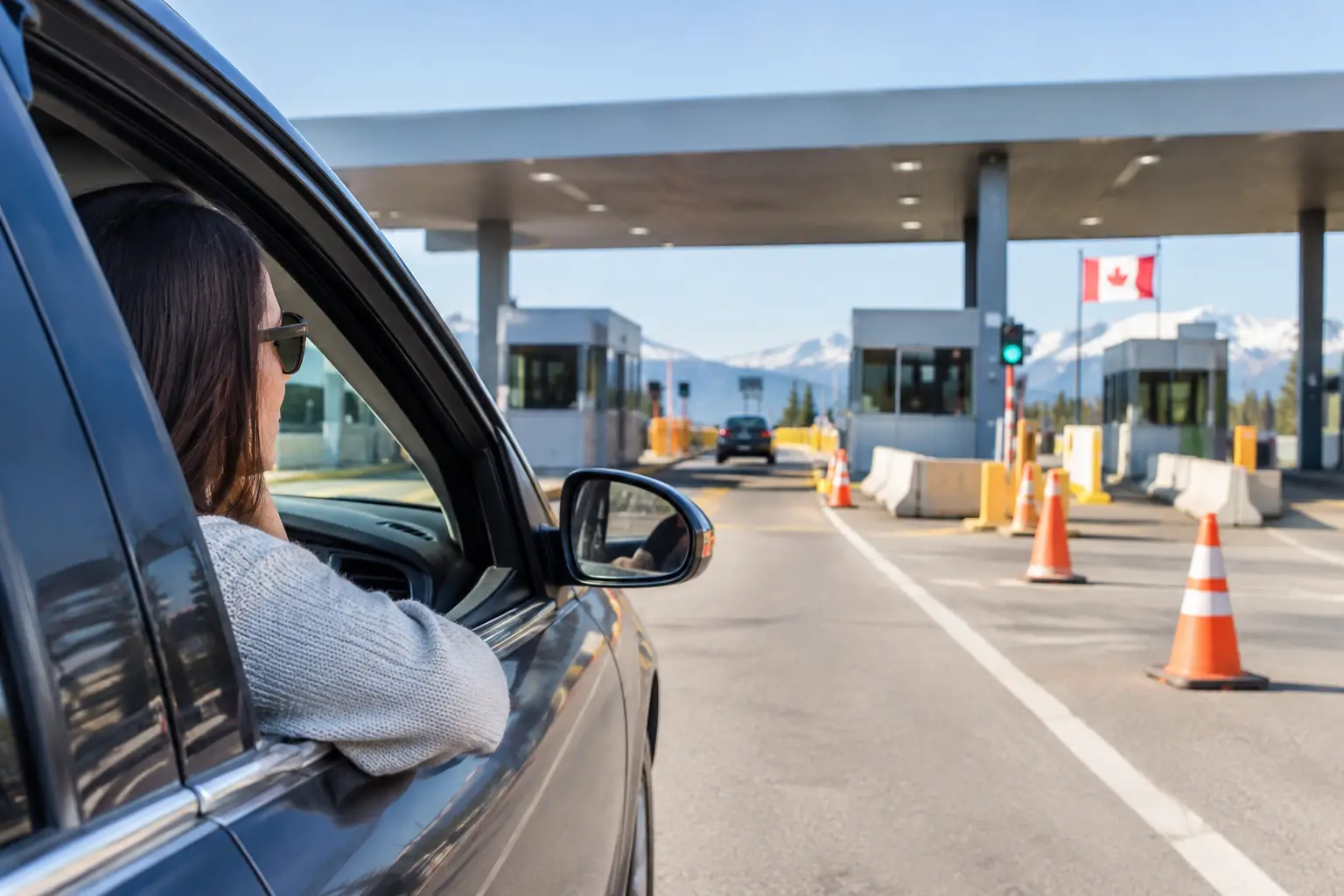
A border line can turn a relaxed drive into an uncertain wait, especially when you are heading from Bosnia and Herzegovina toward Croatia or Montenegro on a busy summer weekend. The good news is that most problems are preventable. To avoid border crossing delays, prepare your rental paperwork before pickup, choose your crossing time carefully, and keep the car organized enough that every document is easy to reach.
For travelers based in Mostar, a rental car still offers far more freedom than trying to match a sightseeing day to a bus schedule or a fixed group tour. You can stop in Blagaj, Počitelj, or at Kravica Waterfalls when it suits your plans, then continue toward the coast or another nearby country if your itinerary allows. A little preparation protects that flexibility.
Start With Cross-Border Permission From Your Rental Provider
Do not assume that a rental car can automatically cross every border. Tell your rental provider where you plan to drive when you reserve the vehicle, not after you are already on the road. Cross-border travel may require written authorization, specific insurance documentation, or restrictions based on the vehicle category and destination.
Be specific about your route. Saying that you may "go toward the coast" is less useful than confirming whether you intend to enter Croatia, Montenegro, or both. If you plan to leave Bosnia and Herzegovina and return later the same day, mention that too. The rental agreement and supporting documents should match your actual journey.
At pickup, take a moment to confirm that the driver named in the contract is the person who will be at the wheel. If another traveler will drive, make sure they are approved before departure. A quick conversation at the rental desk is much easier than explaining a mismatch to border officials.
Keep Your Documents Together and Within Reach
Border officers need clear answers and valid documents, not a long search through luggage. Put your travel paperwork in one small folder or pouch and keep it in the front of the car. Do not store passports in a suitcase under several bags in the trunk.
Before setting out, check that you have the following items:
- A valid passport or other travel document accepted for your nationality and destination
- Your driver's license, plus an International Driving Permit if your license or destination rules require one
- The rental agreement showing the authorized driver and vehicle details
- Cross-border authorization and any insurance papers supplied for the trip
- Contact information for the rental provider in case an official needs clarification
Requirements can vary by nationality, route, and current border rules. Check the official entry requirements for every country on your itinerary before travel. If you are carrying a child, traveling with a pet, or bringing regulated items, confirm the additional rules well in advance.
It also helps to keep digital copies of key documents on your phone, but treat them as backups. Border officials may need to see original documents, so a photo should not replace the physical paperwork.
Choose Times That Help You Avoid Border Crossing Delays
Timing is often the biggest factor you can control. Border lines tend to grow when many travelers are moving in the same direction: Friday afternoons, Saturday mornings, Sunday evenings, public holidays, and the beginning or end of school vacation periods. Summer traffic can be especially heavy on routes connecting inland cities with Adriatic destinations.
If your schedule is flexible, cross early in the morning before the main holiday traffic builds. Midweek travel is often calmer than a weekend changeover day. Late evening can also work well, although only if you are comfortable driving after dark and your accommodation arrangements are confirmed.
Build a realistic buffer into your plan. A route that looks short on a map can take much longer once fuel stops, narrow roads, parking, and a border queue are included. If you have a flight, ferry, dinner reservation, or hotel check-in that cannot move, do not plan to arrive with only a few minutes to spare.
Checking traffic conditions before you leave is useful, but treat the result as a snapshot rather than a promise. A quiet crossing can become busy quickly after an accident, a weather change, or a large group of vehicles arriving at once. Have a second route in mind, but only use an alternative crossing if it is suitable for rental-car travel and genuinely saves time.
Approach the Checkpoint Ready, Not Rushed
The final few minutes before the checkpoint matter. Slow down early, follow the correct lane signs, and watch for instructions that separate passenger cars, buses, commercial vehicles, or travelers with different documents. Trying to merge at the last second creates stress and can hold up everyone behind you.
Before you reach the booth, have passports and car papers ready. Lower the window, remove sunglasses if visibility is poor, and keep the conversation brief and polite. Answer questions directly: where you are going, how long you plan to stay, and whose vehicle you are driving. There is no need to volunteer a detailed holiday itinerary unless you are asked.
Keep your phone away while speaking with the officer and avoid recording at the checkpoint. If an official asks you to pull aside, do not assume there is a serious problem. It may simply be a routine document check. Park where directed, stay calm, and contact your rental provider if you need help confirming the car's authorization or insurance details.
Pack the Car So Checks Stay Simple
A crowded vehicle is normal on a family trip, but loose bags and scattered documents make an inspection slower. Keep the dashboard and front footwells clear. Place luggage securely in the trunk and avoid packing so tightly that you cannot access required equipment or identify what is inside.
If you are traveling with several passengers, agree on a simple routine before arrival. One person handles the document folder, another keeps children settled, and the driver focuses on lane signs and instructions. This is particularly helpful in a van or larger SUV, where a full car can become distracting during a stop.
Avoid carrying items that could create unnecessary questions. Rules around food, alcohol, tobacco, medication, drones, and pets can differ between countries. Prescription medication should remain in its original labeled packaging. If you are unsure whether an item is allowed, check before you pack rather than relying on an assumption at the border.
Plan Routes With the Whole Day in Mind
A rental car gives you the option to choose your own pace, but the best route is not always the shortest-looking one. A drive from Mostar can include a morning stop at Blagaj, lunch near Počitelj, and time at Kravica Waterfalls before continuing elsewhere. That freedom is valuable, yet it also means you need to decide whether adding a border crossing will make the day feel rushed.
For a relaxed sightseeing day, staying within Bosnia and Herzegovina may be the better choice. You avoid a checkpoint altogether and have more time for stops, swimming, photography, and local meals. For a multi-country itinerary, crossing can be worthwhile, but leave enough daylight and energy for it.
Consider the vehicle as part of the plan. A compact automatic sedan can be an easy choice for two travelers and city parking, while a spacious wagon, SUV, or passenger van may make more sense for a family, luggage, and longer distances. The right vehicle will not shorten a border line, but it can make an unexpected wait more comfortable.
What to Do If the Line Is Already Long
Once you are in a queue, patience is usually the most practical strategy. Do not drive around stopped vehicles, block intersections, or leave the car unless directed. Keep water available, particularly in warm weather, and make sure children have what they need before the wait becomes uncomfortable.
Use the time to check that your documents are in the right order and that everyone knows the next destination. If the delay threatens a booked transfer, accommodation arrival, or other fixed plan, contact the relevant provider when it is safe to do so. Do not rely on a message sent while driving.
Most border crossings go smoothly when the basics are handled early: approved rental travel, correct documents, sensible timing, and a calm approach at the checkpoint. With a dependable car and a route built around real travel time, you can spend more of your Balkan trip enjoying the places you came to see. CityRent can help you start with the right vehicle and the cross-border details clarified before you leave Mostar.