
How to Drive in Bosnia Safely on Every Road
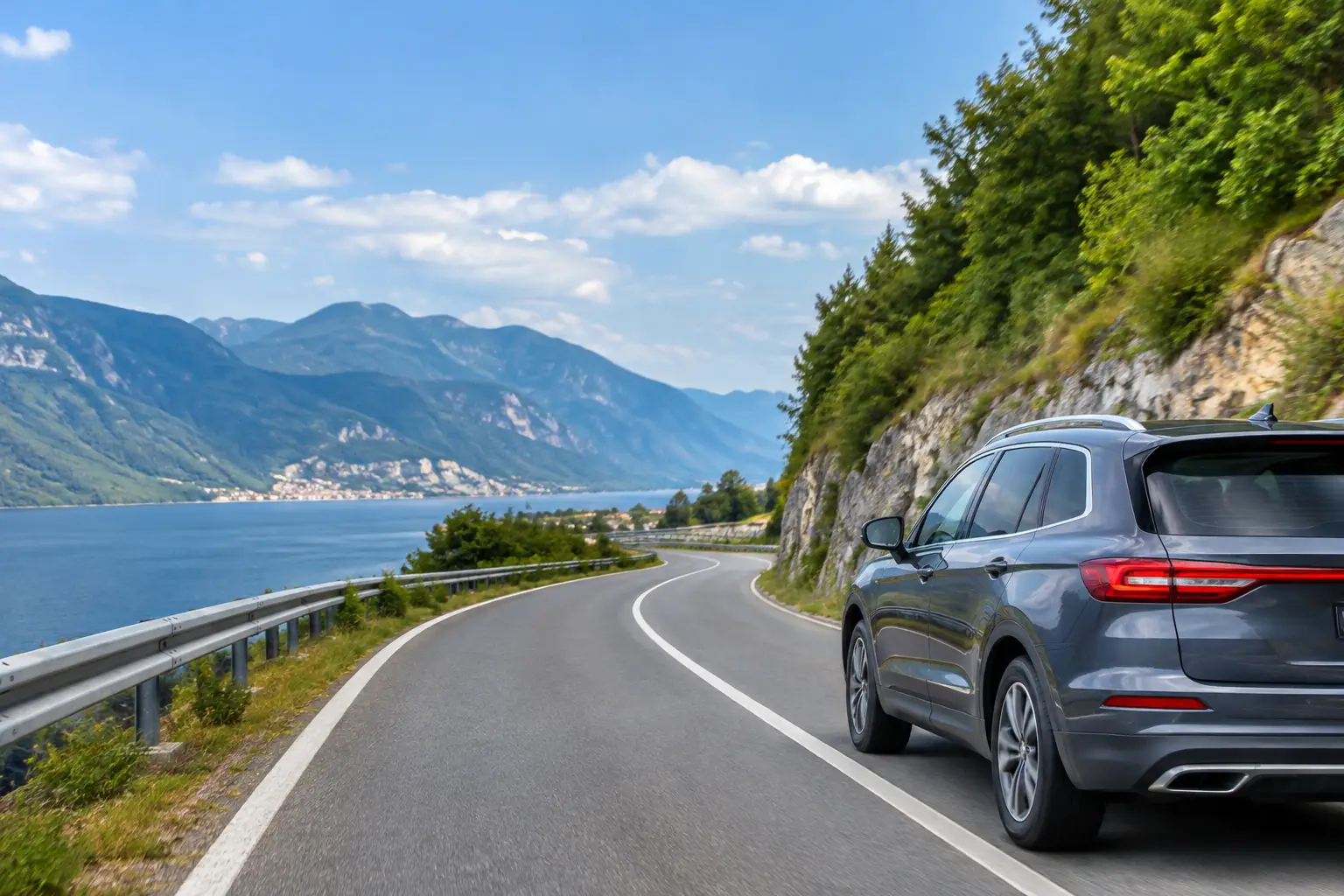
A drive from Mostar to Blagaj can take less than 20 minutes, but it quickly shows why local awareness matters: city traffic gives way to narrow turns, pedestrians, scooters, and beautiful scenery that can take attention off the road. For travelers asking how to drive Bosnia safely, the answer is not complicated. Prepare your documents, follow posted signs, slow down for changing road conditions, and give yourself more time than the map suggests.
Driving is one of the best ways to see Bosnia and Herzegovina at your own pace. It lets you visit Kravica Waterfalls early, stop in Počitelj when the light is right, or spend longer by the Buna River in Blagaj without working around a tour timetable. A little practical preparation makes that freedom much more comfortable.
How to Drive in Bosnia Safely Before You Leave
Start with the vehicle and paperwork. Keep your driver’s license, passport, rental agreement, and vehicle documents accessible, not packed under luggage. International visitors should confirm before travel whether an International Driving Permit is advisable for their license. If you plan to cross into Croatia, Montenegro, or another neighboring country, arrange approval with your rental provider in advance and carry the documents required for that specific border crossing.
Before pulling away, take two minutes to adjust the seat, mirrors, lights, and navigation. Review the vehicle with the rental representative and photograph any existing marks. This is practical for any rental, especially if you will be parking in busy town centers or using narrow rural roads.
Bosnia and Herzegovina drives on the right. Seat belts are required for all occupants, and children need suitable child restraints. Headlights or daytime running lights should be used during the day as well as at night. Your car should also carry mandatory safety equipment, which commonly includes a warning triangle, reflective vest, and first-aid kit. A dependable rental vehicle should be properly equipped, but it is still sensible to ask where these items are stored before departure.
Read the Road, Not Just the Map
Road quality varies by route. Main roads between larger cities are generally straightforward, while local roads may be narrow, winding, poorly lit, or shared with farm traffic. Navigation apps are useful, but they do not always account for steep grades, construction, weather, or a road that is technically passable but uncomfortable for an unfamiliar driver.
On major roads, allow extra time for trucks, curves, and lower speed limits. A route that looks short on a map may take longer through mountain terrain. Avoid trying to make up time by overtaking. Passing lanes can be limited, sightlines are often short, and local traffic may move at a pace that does not suit a visitor’s comfort level. Wait for a clearly marked, fully visible opportunity.
Speed limits are posted and must be followed. As a general guide, limits are often lower in towns, higher on open roads, and highest on highways, but signs always take priority. Temporary limits around roadworks, schools, tunnels, and villages deserve special attention. Speed cameras and police checks are common enough that treating limits as suggestions is a poor plan, even before considering the safety risk.
Keep a generous following distance. This matters on wet pavement, through tunnels, and when following buses or trucks that can block your view of the road ahead. On a two-lane road, focus on smooth, patient driving rather than trying to match the pace of every local driver.
Mountain roads need a calmer approach
Bosnia and Herzegovina’s mountain scenery is a highlight of a road trip, but elevation changes bring real driving considerations. Curves can tighten suddenly, shade can keep roads wet or icy, and fog may reduce visibility without much warning. Use a lower gear on long descents rather than relying constantly on the brakes.
From late fall through early spring, winter conditions can affect routes far beyond the highest passes. Winter tires or other required winter equipment may be mandatory during the seasonal period, even when the weather feels mild in Mostar. Check current road and weather conditions before a longer drive, and do not take an unplanned mountain shortcut if snow, heavy rain, or fog is forecast.
If visibility drops, slow down, increase space around the car, and use the correct lights. Do not stop in a travel lane to take photos or check directions. Pull into a safe marked area, fuel station, or turnout instead.
City Driving, Parking, and Pedestrians
Driving in Mostar, Sarajevo, and smaller historic towns requires patience more than advanced skill. Streets can be tight, parking can be limited, and pedestrians may step into crossings with little warning. In older areas, stone streets, one-way lanes, and delivery vehicles can make navigation slower than expected.
Use designated parking whenever possible. Look for signs explaining payment zones and time limits, and keep your parking confirmation where required. Do not assume an open curb space is free or permitted. In tourist areas, it is usually easier to park a short walk away than to circle narrow streets looking for the closest possible spot.
Give people on foot plenty of room, particularly near markets, cafés, bus stops, schools, and popular sights. Watch for cyclists, motorcycles, and scooters filtering through traffic. At unsignalized crossings, approach cautiously and be ready to stop.
Phone use while driving should be avoided unless you can operate it legally hands-free. Set your route before moving, and let a passenger manage navigation when possible. A wrong turn is far less costly than a distracted moment.
Fuel, Tolls, and Everyday Planning
Gas stations are widely available on main routes and around cities, but it is wise not to let the fuel level get too low before heading into rural or mountain areas. Confirm the correct fuel type for your vehicle at the start of the rental. Most stations accept cards, though carrying some local currency is useful for small purchases, parking, or locations where card terminals are unavailable.
Bosnia and Herzegovina has toll sections on some highways. Keep your payment method ready as you approach toll booths and follow the lane signs carefully. If you are unfamiliar with the system, choose a staffed lane rather than making a rushed decision at the barrier.
Plan day trips with daylight in mind. Kravica Waterfalls, Počitelj, and Blagaj are easy to combine from Mostar, but the better experience often comes from doing less, not more. Leave time for a relaxed stop, an unplanned viewpoint, and the slower return drive after sunset. Renting a car gives you freedom from bus schedules and group tour stops, but it also means you are responsible for choosing a realistic pace.
Borders and Cross-Border Driving
A Balkan itinerary can make cross-border travel worthwhile, but borders require preparation. Tell your rental provider about every country you intend to enter before collecting the car. The vehicle may need documented permission and insurance coverage for cross-border travel, and requirements can differ by destination.
Carry your passport, driver’s license, rental agreement, and any border authorization documents together. Border waits can be longer during summer weekends, public holidays, and peak travel hours, so build flexibility into your schedule. Do not promise yourself a tight airport arrival based on the shortest estimated drive time.
If Something Goes Wrong
If you are involved in an accident, stop safely, turn on hazard lights, and check whether anyone needs medical help. Use the warning triangle only when it is safe to do so, and wear the reflective vest if you need to leave the vehicle near traffic. Contact the police and your rental provider promptly, then follow their instructions. Take clear photos of the scene, vehicle positions, road signs, and visible damage, but do not put yourself in danger to collect them.
For a breakdown, move to a safe location if possible and call the assistance number supplied with your rental documents. Avoid accepting informal roadside repair offers unless your rental provider has instructed you to do so. Fast communication protects both your safety and your rental coverage.
A calm driver gets more from Bosnia and Herzegovina than a rushed one. Choose a vehicle that fits your group and luggage, plan room for the unexpected, and let the road between destinations be part of the trip. With a reliable car and sensible habits, places that feel difficult to reach by bus become easy, memorable day trips on your own schedule.