
Travel Trends in Herzegovina for 2026 Trips
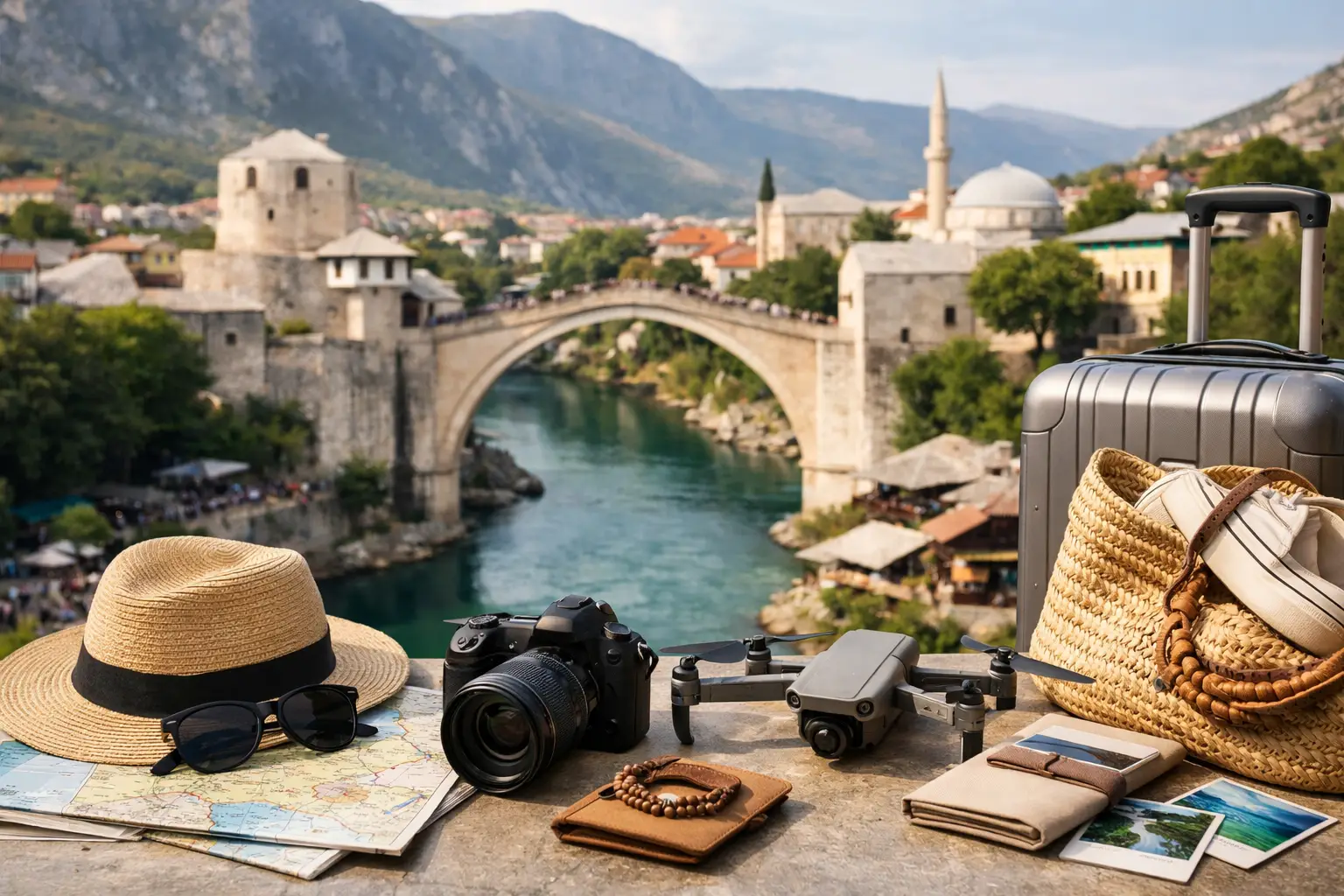
Mostar is no longer just a quick stop between Dubrovnik and Sarajevo. The travel trends in Herzegovina point toward a different kind of trip: visitors are staying longer, using the city as a base, and building relaxed days around waterfalls, old towns, local restaurants, and river landscapes. For travelers who want to choose their own pace, having a car changes what is possible in one day.
The appeal is straightforward. Herzegovina is compact enough for rewarding day trips, but public transportation does not always connect smaller attractions on the schedule travelers want. Organized tours can be useful for first-time visitors, especially when time is tight, yet they set the route and the clock. Independent road travel gives couples, families, and small groups room to stop when a view, café, swimming spot, or quiet village deserves more time.
Travel Trends in Herzegovina: Slower Days, More Stops
A major shift is away from rushing through a checklist. Travelers increasingly want one well-planned day with several meaningful stops rather than a long transfer and a crowded itinerary. Around Mostar, that often means pairing Blagaj with Počitelj, or visiting Kravica Waterfalls early and leaving time for a late lunch instead of returning immediately.
This style works particularly well in Herzegovina because the roads link very different settings within short driving distances. A morning can begin beside the Buna River in Blagaj, continue through stone villages and vineyards, and end near the Neretva with dinner in Mostar. The journey itself becomes part of the day, rather than time lost between major sights.
There is a practical side to slower travel as well. Summer temperatures can be high, and popular sites are more enjoyable before the busiest hours. Travelers with their own vehicle can leave early, take a midday break, then continue when conditions are more comfortable. In spring and fall, the same flexibility makes it easier to follow good weather or spend extra time outdoors.
Mostar as a Base for Flexible Day Trips
Mostar works well as a base because accommodations, restaurants, airport access, and nearby attractions are all within reach. It is especially convenient for travelers arriving for a short holiday but wanting more than a walk through the Old Bridge area.
Blagaj for a short, scenic escape
Blagaj remains a favorite for good reason. The source of the Buna River, the historic dervish house, and the riverside restaurants create an easy half-day outing. It is close enough to Mostar for a relaxed morning or evening visit, but a car allows travelers to avoid treating it as a rushed photo stop.
The best approach depends on the season. In warmer months, an earlier arrival offers cooler air and a calmer atmosphere. In shoulder season, travelers may prefer a later start and a long lunch by the water. Those traveling with children or older family members will appreciate being able to return to Mostar whenever they choose.
Počitelj for history without a fixed timetable
Počitelj is one of the region's most distinctive historic stops, with stone homes, narrow paths, a mosque, and hilltop views over the Neretva valley. It rewards visitors who are comfortable walking uphill and taking their time. A tour may allow an hour or less, while independent travelers can decide whether the village is a quick stop or the center of an unhurried afternoon.
Driving also makes it simple to combine Počitelj with nearby destinations. That matters for visitors who want variety in a single day: heritage, scenery, a coffee break, and a riverside meal rather than several hours spent waiting for connections.
Kravica Waterfalls as a full-day experience
Kravica Waterfalls continue to attract visitors looking for a nature-focused day near Mostar. The trend here is not simply to arrive, take photos, and leave. Travelers are planning time for walking, relaxing, and, when seasonal conditions and local rules allow, enjoying the water.
A rental car is useful because it gives visitors control over arrival time and return plans. In the busiest months, leaving Mostar early can make the visit more comfortable. Outside peak season, travelers can combine Kravica with Počitelj or a stop in Ljubuški without worrying about whether a bus or group tour is ready to move on.
Road Trips Are Replacing One-Destination Stays
Herzegovina is increasingly part of wider Balkan itineraries. Travelers may fly into Mostar, Sarajevo, Split, or Dubrovnik and want the freedom to continue across the region. The most useful travel plans are built around realistic driving days, not ambitious pins on a map.
This is where vehicle choice matters. An economy car can be a smart option for two people traveling light and focusing on city-to-city driving. An automatic sedan offers more comfort for longer days, while an SUV can be a better fit for families, extra luggage, or travelers who prefer a higher driving position. Groups should consider a station wagon or passenger van rather than trying to make a compact vehicle work for several adults and bags.
Before setting out, travelers should confirm that their rental arrangement supports their full route, particularly if they plan to cross borders. Documents, permitted countries, insurance coverage, and pickup and return locations should be clear before departure. A few minutes spent checking these details prevents a stressful change of plans later.
Local Food and Scenic Stops Shape the Itinerary
Another clear trend is planning travel around meals and local atmosphere rather than only landmarks. Herzegovina's appeal is often found in the spaces between headline attractions: a riverside terrace, a family-run restaurant, a roadside stand, or a quiet coffee with a valley view.
This is one reason self-drive travel suits the area. There is no need to skip a place because the bus leaves in ten minutes or because a guide must keep a large group on schedule. At the same time, flexibility does not mean driving without a plan. Choose two or three priorities for the day, leave room for breaks, and avoid trying to visit every nearby location at once.
For many visitors, the most memorable route is simple: a morning destination, one scenic stop, lunch, and time to return before the evening. That rhythm is more enjoyable than covering long distances just to say every attraction was visited.
What Smart Travelers Are Planning Ahead
The independent travel trend also comes with more preparation. Visitors are booking vehicles earlier during the busy summer period, especially when they need automatic transmission, extra luggage space, child seating, or a van for a group. They are also choosing airport pickup when it saves time on arrival and arranging a different drop-off point when their trip continues elsewhere.
Good planning should include the practical details that affect a road day. Keep water in the vehicle during warm weather, use offline maps where signal may be limited, and allow extra time for parking and walking at popular sites. Roads to major attractions are generally manageable, but old-town streets can be narrow and parking areas may fill quickly in peak hours.
Travelers should also be honest about their preferred pace. A couple looking for spontaneous stops may enjoy a compact car and a lightly planned route. A family with children may value air conditioning, luggage room, and the ability to take breaks whenever needed. Business visitors adding one free day to a work trip may prefer a direct, prearranged route or chauffeur-driven transport.
A Better Way to See the Region
The strongest travel trend is not a new attraction or a single route. It is the choice to make room for the unexpected: a longer lunch in Blagaj, a hillside view above Počitelj, or an extra hour near Kravica when the day is going well. CityRent helps travelers make those choices with reliable vehicles, flexible pickup options, and practical support for travel from Mostar and beyond.
Leave enough space in the itinerary for Herzegovina to surprise you. The best day is often the one that does not need to end exactly where the original plan said it would.