
Planning a Dubrovnik From Mostar Daytrip by Car
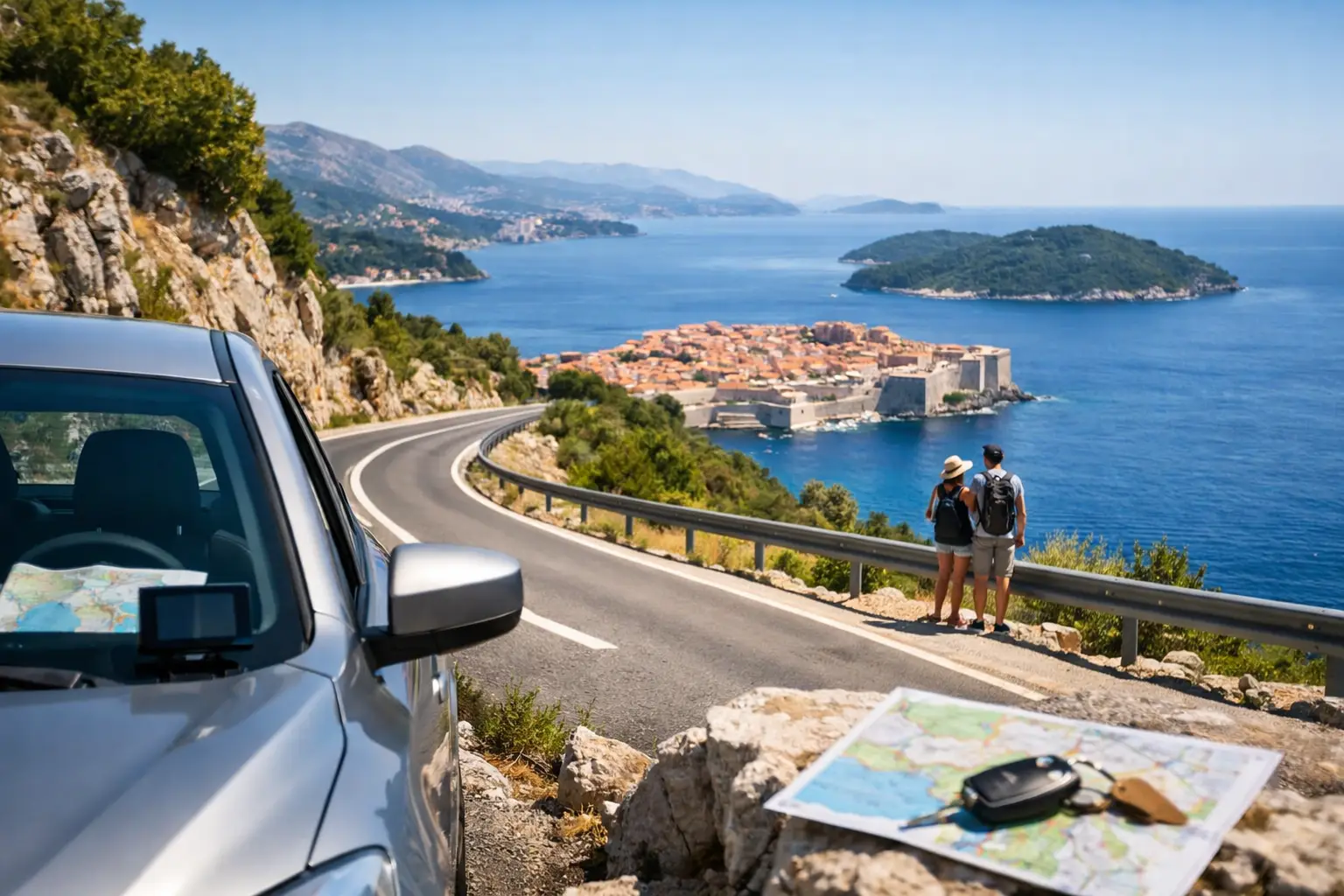
The first view of Dubrovnik’s stone walls above the Adriatic is worth the early alarm. A dubrovnik from mostar daytrip is a full day rather than a quick outing, but it gives travelers based in Mostar the chance to trade the Neretva Valley for one of the Mediterranean’s most recognizable old towns - on their own schedule.
A car is usually the most practical way to make the journey. It allows you to leave before the busiest border periods, carry water and beach gear without hassle, and decide whether your day should focus entirely on Dubrovnik or include a quiet stop along the Herzegovina coast on the way back. The key is planning for the real travel time, not just the distance on a map.
Is a Dubrovnik From Mostar Daytrip Worth It?
Yes, if you treat it as a dedicated sightseeing day and start early. The road distance is relatively manageable, but the Bosnia and Herzegovina-Croatia border can add uncertainty. In light traffic, the drive may take around 2.5 hours each way. During summer weekends, holidays, and peak arrival times, border waits can make it considerably longer.
That is the main trade-off. A daytrip gives you the freedom to see Dubrovnik without changing hotels, but it does not leave much room for a slow morning in Mostar or a late, unhurried dinner on the coast. Travelers who want to walk the city walls, take a boat to Lokrum, swim, and explore every museum may be happier staying overnight. For visitors who want the essential Dubrovnik experience in one well-organized day, driving from Mostar works very well.
A rental car is especially useful for families, couples, and small groups. You control the temperature, luggage space, music, departure time, and stops. Buses can be a good budget option for some itineraries, but they operate on fixed schedules and can limit how much time you have once you arrive.
Before You Leave Mostar: Documents and Border Planning
Because this route crosses into Croatia, prepare your travel documents before the morning of departure. Every passenger should have a valid passport or travel document appropriate for entry. Travelers should also check current entry requirements for their nationality before traveling, as rules can change.
If you are using a rental vehicle, confirm in advance that cross-border travel to Croatia is approved under your rental agreement. Keep the vehicle documents and any required cross-border authorization with you, along with your driver’s license. These details are simple, but handling them ahead of time avoids unnecessary stress at the border.
It is also wise to fill up with fuel before leaving Mostar and keep some cash or a payment card ready for parking, snacks, and unexpected expenses. Croatia uses the euro, while Bosnia and Herzegovina uses the convertible mark, so having a card that works internationally is convenient.
Leave as early as you can reasonably manage. A departure around 6:30 or 7:00 a.m. gives you a better chance of reaching Dubrovnik before the streets, parking areas, and city walls become crowded. Check traffic and border conditions on the day, then remain flexible. If one crossing appears busy, the best route may depend on current conditions and your planned arrival point.
The Drive: Scenic, Straightforward, and Worth Taking Slowly
The route south from Mostar changes character quickly. The inland landscape gives way to rolling Herzegovina hills, vineyards, small villages, and eventually the bright water and limestone coastline near Dubrovnik. It is not a difficult drive, but it is not a motorway-only trip either. Expect local roads, changing speed limits, curves, and occasional slower traffic.
Build in a short break if you are traveling with children or simply prefer a calmer pace. The town of Stolac can be a convenient inland stop, while the coastal areas around Neum offer Adriatic views before you continue south. Do not try to turn every possible stop into a major visit, though. Dubrovnik deserves several hours, and overloading the route is the easiest way to make the day feel rushed.
For the most comfortable drive, choose a vehicle that matches your group and luggage. A compact automatic is practical for two travelers and easier to park. A sedan or SUV provides more room for a family and makes the road feel more relaxed. If you are traveling with several people, a larger van can be more convenient than coordinating multiple vehicles.
Where to Park in Dubrovnik
Parking is one of the biggest practical decisions of the day. Do not expect to drive right up to the Old Town gates and find inexpensive street parking. Central spaces are limited, rates can be high, and narrow roads near the historic center are not ideal for first-time visitors.
The simplest approach is to use a designated garage or parking area outside the Old Town, then walk or use local transportation for the final stretch. Pile Gate is the main access point for many visitors, but the area gets busy quickly. Parking farther from the walls can save money, though it may mean a longer walk or a bus ride.
If you arrive early, you will have more choices. Take a photo of your parking location, note the payment rules, and do not leave valuables visible in the car. Dubrovnik is made for walking once you are inside the historic center, so plan to leave the vehicle parked until you are ready to head back toward Mostar.
How to Spend Your Time in Dubrovnik
For a single-day visit, avoid trying to see everything. The best itinerary is built around the Old Town, with one or two additional experiences based on your interests and the weather.
Start at Pile Gate and enter the pedestrian streets before the busiest midday period. Walk Stradun, Dubrovnik’s broad central promenade, then take time in the smaller lanes, stairways, and shaded squares. The Old Town is compact, but it rewards wandering. You will find viewpoints, churches, cafés, and stone details that are easy to miss if you only follow the main street.
The city walls are the signature experience, and for many visitors they are the reason to make the trip. Go earlier in the day if possible, especially from June through September. The walk includes stairs, exposed sections, and little shade, so bring water, sun protection, and comfortable shoes. Allow at least 90 minutes if you want to enjoy the views rather than rush around the circuit.
After the walls, choose one priority. A cable car ride can offer broad views of the city and islands when visibility is clear. Lokrum is a good option for travelers who want nature and swimming, but the boat crossing and island visit take time. If your return to Mostar depends on avoiding a late border queue, it may be smarter to stay in the Old Town, have a relaxed lunch, and leave earlier.
A Realistic Daytrip Schedule
A successful day is less about checking boxes and more about protecting enough time in Dubrovnik. A practical outline looks like this:
- Leave Mostar around 6:30 to 7:00 a.m., with documents and fuel sorted in advance.
- Reach Dubrovnik in the morning, allowing extra time for border procedures and parking.
- Spend late morning walking the Old Town and completing the city walls.
- Have lunch away from the busiest main-street tables, then choose either a viewpoint, museum, beach break, or more time exploring side streets.
- Begin the return drive in the late afternoon or early evening, adjusted for daylight, traffic, and the border conditions that day.
This schedule is deliberately flexible. In hot weather, a slower lunch and a shaded museum may be more enjoyable than another hour in the sun. In shoulder season, you may have time for a longer walk or a coastal stop. Families with young children may prefer a shorter Old Town visit and time by the water instead of the walls.
What to Bring for the Day
Travel light enough to walk comfortably, but pack for a different climate than Mostar. Dubrovnik can be breezy by the sea, intensely sunny in summer, and slippery after rain. Comfortable walking shoes, water, sunglasses, sunscreen, a light layer, and a portable phone charger are all useful. If swimming is part of your plan, bring swimwear and a towel rather than relying on last-minute purchases near the Old Town.
Download maps before departure if your phone plan has limited roaming, and keep your return route saved. It is also smart to agree on a meeting point if your group separates inside the Old Town. The narrow streets are part of Dubrovnik’s charm, but they can make it easy to lose track of one another.
Make the Return Journey Comfortable
After a long day on foot, the return drive should feel easy. Give yourselves time for a restroom stop, food, and a driver change if more than one person is insured and approved to drive. Avoid pushing on when tired simply to reach Mostar earlier.
A dependable rental vehicle gives you the flexibility that makes this route worthwhile: an early start, a comfortable road trip, room for the people traveling with you, and the freedom to adjust when the border or weather changes the plan. If you prefer not to drive after a full day of sightseeing, chauffeur-driven transportation can also be a practical choice for groups who want the same door-to-door convenience.
Dubrovnik is at its best when you arrive prepared enough to slow down once you get there. Set off early, keep your expectations realistic, and leave room for the small moments - coffee in a shaded square, sea air from the walls, and the quiet coastal views on the road back to Mostar.