
A Guide to Driving Herzegovina With Confidence
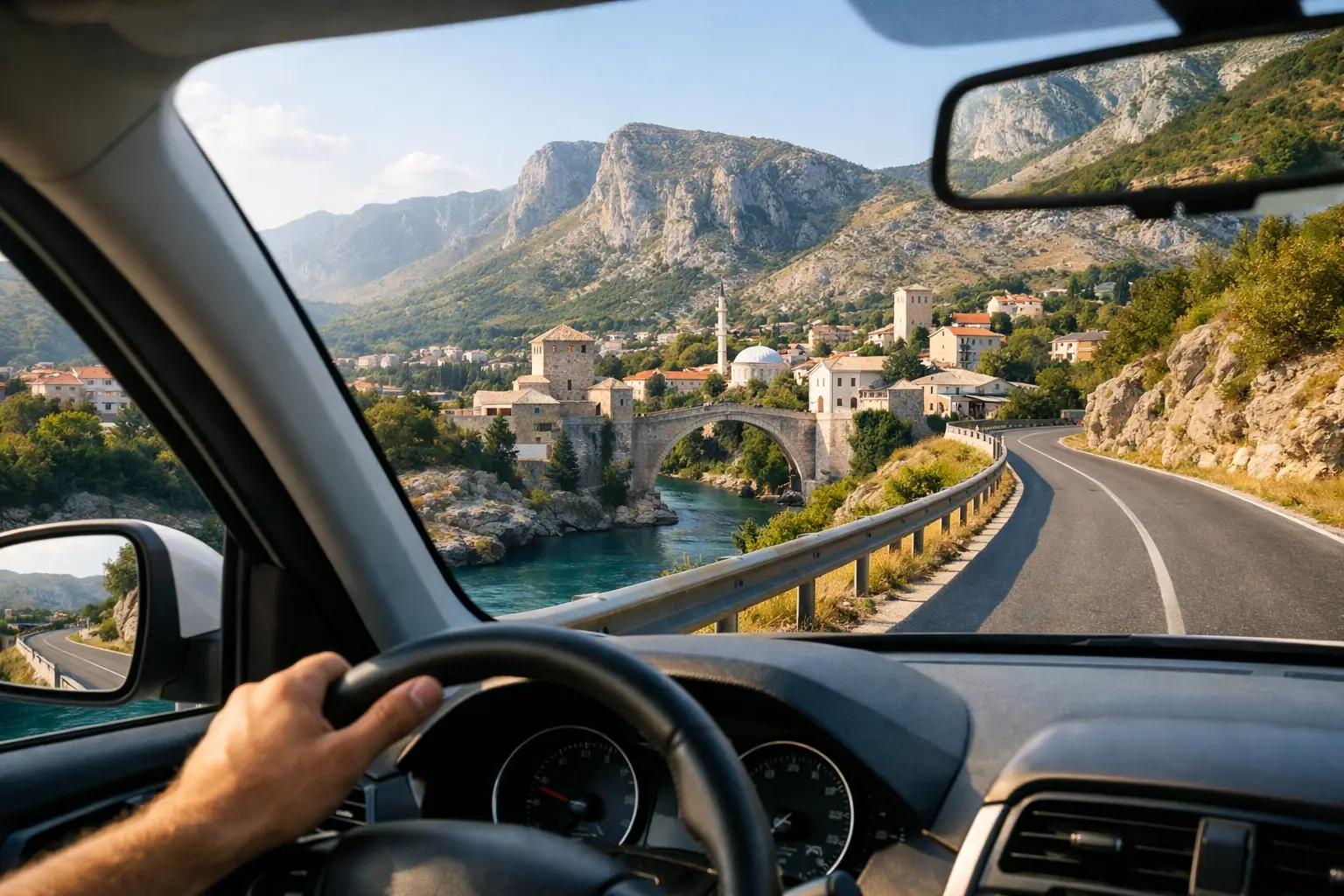
Herzegovina rewards travelers who do not rush. One hour can take you from Mostar’s stone bridges and busy cafés to a quiet river spring, a medieval hill town, or a waterfall where you can stay as long as you like. This guide to driving Herzegovina is designed for visitors who want that freedom without uncertainty - especially when planning day trips from Mostar.
A rental car makes the region easier to experience on your own schedule. Buses connect larger towns, and organized tours can be useful for a fixed itinerary, but they do not offer the same flexibility to stop for a viewpoint, have lunch in a village, or leave early when the weather changes. With a reliable vehicle, a map, and a little preparation, driving here is straightforward and memorable.
Guide to Driving Herzegovina: What to Expect
Roads around Mostar and the main sightseeing routes are generally well maintained, with clear signs and paved access to popular destinations. The experience is not usually difficult, but it is different from driving on wide American highways. Expect narrower lanes on local roads, roundabouts near towns, sharp bends in hillier sections, and occasional slow-moving traffic.
Drive on the right. Seat belts are required, and headlights should be used at all times, including during daylight hours. Speed limits are posted in kilometers per hour, not miles per hour, so take a moment to adjust your expectations before leaving the airport or city. Follow posted limits rather than relying on a single number, since they change between urban areas, open roads, and village approaches.
Local driving can feel confident and quick, particularly on familiar roads. The best approach is calm and predictable: keep a safe following distance, signal early, and let faster vehicles pass when it is safe. Do not try to match another driver’s pace on curves or narrow roads. The scenery is worth enjoying, but pull into a designated turnout before taking photos.
Documents and rental preparation
Keep your driver’s license, passport, rental agreement, and vehicle documents accessible while traveling. An International Driving Permit may be useful depending on your license and travel plans, so confirm current requirements before arrival. If you are traveling from the United States, it is sensible to ask your rental provider what documents it requires before you book.
Before setting off, take two minutes to understand the vehicle. Check the fuel type, learn how to operate the lights and windshield wipers, and save the rental support number in your phone. Automatic cars are a comfortable choice for travelers unfamiliar with local roads, while a larger SUV or wagon can suit families carrying more luggage. For groups, a van avoids the inconvenience of coordinating several vehicles.
If your trip includes Croatia, Montenegro, or another neighboring country, arrange cross-border authorization in advance. Border travel is simple when the paperwork is prepared, but it should never be assumed. Confirm which countries are permitted, what documents you need to carry, and whether your insurance coverage applies to the full route.
Plan Day Trips From Mostar, Not Just Drives
Mostar is a practical base because several of Herzegovina’s best-known sights are close enough for an unhurried day out. The real advantage of driving is not simply reaching them. It is choosing the order, timing, and stops that work for your group.
Blagaj: a short, easy first drive
Blagaj is close to Mostar and an excellent first outing if you want to become comfortable behind the wheel. The route is short and uncomplicated, and the destination offers one of the region’s most distinctive scenes: the Buna River emerging beneath a dramatic cliff beside the historic Dervish house.
Go earlier in the day if you prefer a quieter visit and easier parking. From there, you can return to Mostar for lunch or continue toward smaller villages and river viewpoints. It is the kind of place where having a car changes the pace - you can stay for coffee by the water rather than watching the clock for a return bus.
Počitelj: allow time for the uphill walk
South of Mostar, Počitelj is a historic stone village rising above the Neretva River. Parking is generally found near the lower part of the settlement, while the best views require walking uphill on uneven stone paths. Wear shoes with grip, bring water in warmer months, and avoid leaving valuables visible in the car.
Počitelj works especially well as part of a flexible route. Spend an hour exploring the fortress area and old streets, then continue south for lunch or combine the visit with Kravica Waterfalls. A tour may set a strict stop length. With your own car, you can decide whether the village deserves 30 minutes or two hours.
Kravica Waterfalls: arrive before the busiest period
Kravica Waterfalls are one of the most popular day trips from Mostar, and driving makes the visit significantly easier for families, couples, and travelers carrying swimming gear. Roads to the area are manageable, but the final approach and parking can become busier during summer afternoons.
Leaving Mostar early gives you more parking options and a more relaxed start. Bring swimwear when seasonal conditions allow swimming, along with towels, water, and sun protection. Check current opening conditions before departure, as water access and facilities can vary by season and weather.
The drive also gives you the option to build a full day around the waterfalls. You might stop in Počitelj first, take a slower lunch afterward, or choose a scenic local road back to Mostar. This freedom is particularly valuable for families with children, who may need breaks that do not fit a group-tour schedule.
Parking, fuel, and practical road habits
Parking is usually simpler outside central Mostar, but city-center spaces can be limited during busy periods. Use marked parking areas where available, pay attention to local signs, and keep small local currency available in case a parking lot uses an attendant or machine. Do not block entrances, narrow streets, or marked pedestrian areas, even for a quick stop.
Fuel stations are common on main routes and around larger towns. It is still wise not to let the tank run very low when heading into rural areas or planning an evening return. Fill up before a longer sightseeing day, especially if you have chosen a route that crosses borders or includes less populated areas.
Mobile coverage is reliable in many places but can weaken in valleys and hill country. Download offline maps before leaving Mostar, and enter your accommodation address before the signal becomes uncertain. A phone mount is helpful, but do not handle your phone while driving. If you need to change directions, stop safely first.
Weather deserves attention. Summer heat can be intense, so carry water and avoid leaving electronics or belongings in direct sunlight. In autumn and winter, rain, fog, and wet leaves can make rural roads more slippery. Mountain routes may require additional caution or seasonal equipment. Your best itinerary is the one that matches the actual conditions, not the one you planned weeks earlier.
Choose the right vehicle for your route
The smallest car is not always the cheapest choice once comfort is considered. An economy vehicle is practical for couples traveling light and staying mainly on paved roads. An automatic sedan may be more relaxing for longer drives, while a wagon or SUV gives families more luggage capacity and confidence on uneven access roads. Convertibles can be enjoyable in warm weather, but they are less practical when luggage space and midday heat matter more.
CityRent can help travelers select a vehicle based on passenger count, bags, preferred transmission, and planned route. The right choice is one that leaves enough room for the people and equipment you actually have, rather than the minimum that technically fits.
One final habit makes every Herzegovina road trip better: leave space in the day. Plan the major destination, but do not schedule every minute between stops. The unexpected roadside fruit stand, quiet riverbank, or hillside viewpoint is often what travelers remember most - and a car gives you the freedom to stop for it.