
How to Select Child Seats for Rental Cars
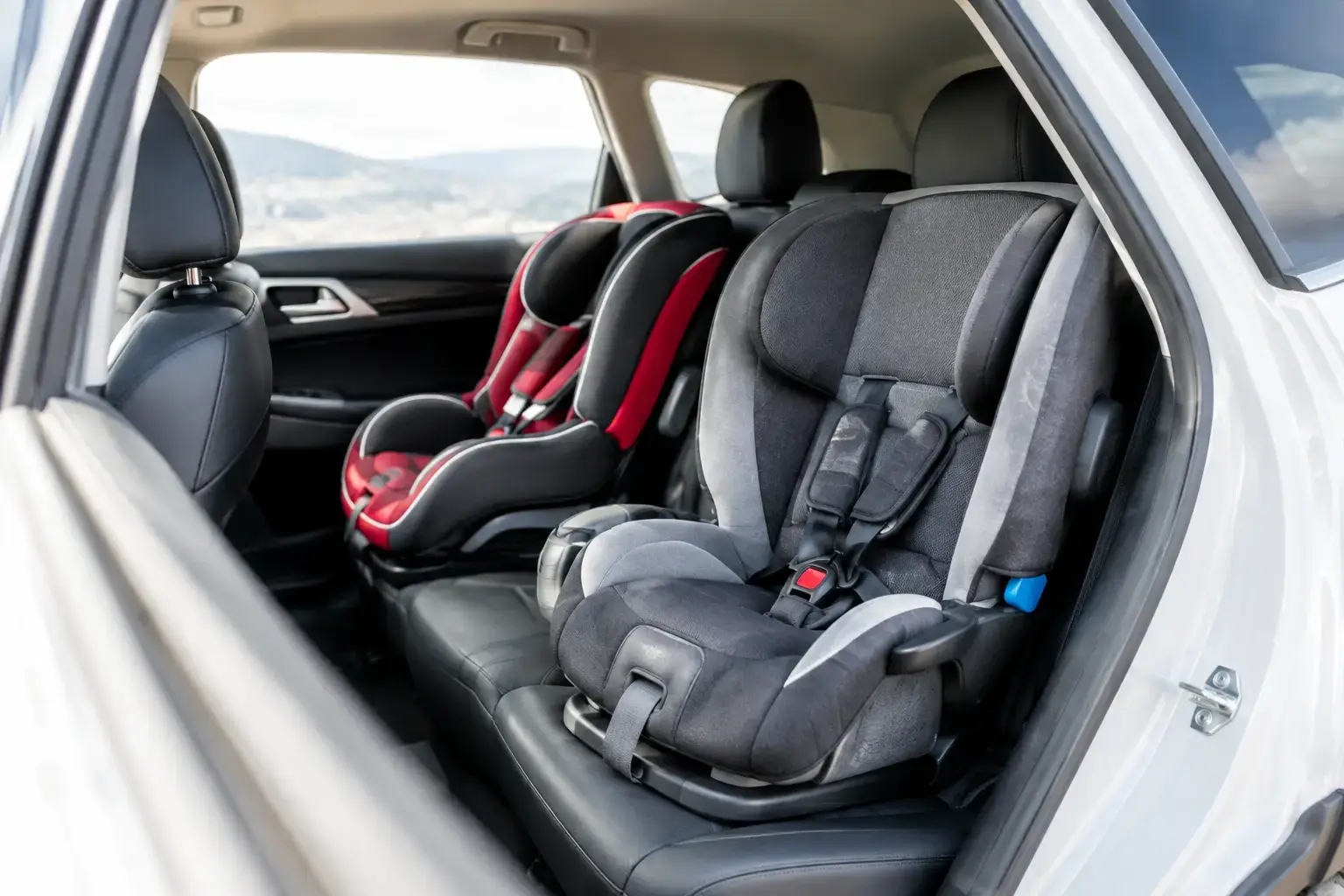
A child seat can determine whether a family drive feels relaxed or starts with a stressful search at the airport parking lot. Knowing how to select child seats before you reserve your rental car helps you choose the right protection for your child, the right vehicle for your luggage, and a setup that works for every stop on your trip.
For families traveling through Mostar and nearby destinations, a car offers the freedom to set your own pace. You can leave early for Kravica Waterfalls, stop in Počitelj when the streets are quiet, or take a longer lunch in Blagaj without working around a tour timetable. The practical part is making sure every passenger, especially the youngest one, is properly seated from the first mile.
How to Select Child Seats by Your Child’s Size
The correct child seat is based primarily on your child’s current height and weight, not simply their age. Age can be a useful starting point, but children grow differently. Check the seat manufacturer’s label and instructions to confirm that your child falls within the approved size and weight range.
A rear-facing infant seat is generally used for babies and small toddlers. It supports the head, neck, and spine during a sudden stop or collision. A convertible seat may allow a child to remain rear-facing longer and later convert to forward-facing use, which can be helpful for families who travel regularly.
When a child has outgrown the rear-facing limits, a forward-facing seat with an internal harness may be appropriate. Older children who are large enough to sit upright comfortably may use a booster seat, which raises them so the vehicle’s standard seat belt fits correctly. The shoulder belt should cross the center of the chest and shoulder, rather than touching the neck or slipping off the shoulder. The lap belt should sit low across the upper thighs, not across the stomach.
Do not move a child to the next type of seat simply because it seems more convenient or because the child wants a better view. The safer choice is usually to keep them in the current seat category until they reach its stated limits.
Check the Seat’s Safety Label and Condition
If you are bringing your own seat, inspect it before leaving home. Look for the certification label required in the country where it was purchased, the manufacturer’s instruction manual, and a clearly visible expiration date if one applies. Avoid using a seat with cracked plastic, frayed straps, missing parts, or an unknown history.
A child seat that has been involved in a moderate or serious crash should not be reused unless the manufacturer specifically confirms that it remains safe. Secondhand seats can appear clean and solid while having damage that is not visible. For a rental trip, certainty is worth more than a small saving.
When requesting a child seat from a rental provider, reserve it during the booking process rather than waiting until pickup. Confirm the type you need - infant seat, toddler seat, or booster - and share your child’s height and weight if requested. This gives the team the best chance of preparing a suitable seat before you arrive.
Choose a Rental Car That Fits the Seat and Your Plans
The seat itself is only half the decision. Your rental car must have enough rear-seat space for the child seat to be installed correctly, while leaving room for passengers and luggage.
A compact car may work well for one older child in a booster seat and light luggage. However, rear-facing seats can take up significant front-to-back space. If a tall adult needs to sit in front, a larger sedan, station wagon, SUV, or van may be a more comfortable option.
Families traveling with two or three children should pay close attention to rear-seat width. Not every vehicle can safely accommodate multiple child seats side by side, especially when the seats are wide or rear-facing. A larger vehicle may cost more than an economy model, but it can make a meaningful difference on longer drives and day trips.
Also consider your luggage honestly. Strollers, travel cribs, diaper bags, swim gear, and suitcases quickly fill a trunk. If you plan to visit Kravica Waterfalls or spend full days exploring, extra cargo space prevents the rear seat from becoming a storage area. Children should never travel with loose heavy bags beside them or on the seat around them.
Understand How the Seat Will Be Installed
Child seats are installed using either the vehicle seat belt or dedicated lower anchors, often called ISOFIX or LATCH depending on the market. Not every vehicle has the same anchor points, and not every child seat uses the same installation method. Before pickup, ask whether the vehicle category you selected supports the installation method required by your seat.
If you are using a rental child seat, take a few minutes at pickup to check that it is installed firmly. The base or seat should not move more than a small amount side to side or front to back at the belt path. Harness straps should lie flat without twists and should be adjusted snugly around the child.
A thick winter coat can create too much space between the harness and the child. On cooler days, use thin layers and place a blanket over the harness after it is secured, if needed. This is a small detail that makes a real difference in fit.
Do not assume that a seat is correctly installed because it looks secure. Read the instructions for that specific seat and vehicle position. If you are unsure, ask the rental team for assistance before departing. A dependable provider should be prepared to help you understand the equipment, though the parent or guardian should always make the final check.
Plan for Balkan Roads and Cross-Border Travel
Family road trips in the Balkans often combine city streets, mountain routes, coastal roads, and border crossings. That variety makes proper seating especially valuable. A seat that feels acceptable for a 10-minute airport transfer may become uncomfortable or poorly positioned during a two-hour drive.
Build in breaks for young children, particularly on warm summer days. Keep water, snacks, wipes, and a light layer of clothing within easy reach, but secure heavier items in the trunk. If your route includes neighboring countries, review the child-restraint rules for each destination before you travel. Requirements can vary by country and may depend on a child’s height, age, seating position, and the type of restraint used.
It is also wise to confirm cross-border permission for your rental vehicle in advance. The same preparation that makes border travel easier helps you avoid last-minute changes to your route with children in the car.
A Quick Pickup Check Before You Drive Away
Before leaving the rental location, make sure the seat matches the type you reserved and that it has no visible damage. Check that the harness buckle works smoothly, the straps are not twisted, and the seat is secured in an approved rear-seat position whenever possible.
Adjust the front passenger seat only after the child seat is installed, especially with a rear-facing seat behind it. Then place your child in the seat and confirm that the harness and belt fit correctly. It takes a few extra minutes, but it is far easier to make adjustments in a well-lit parking area than at the first stop of your journey.
With the right child seat and enough room for everyone, your rental car becomes more than transportation. It gives your family the comfort to pause for a riverside view, change plans when the weather improves, and enjoy the road between the places you came to see.