
Airport Transfer Versus Rental: Which Fits Your Trip?
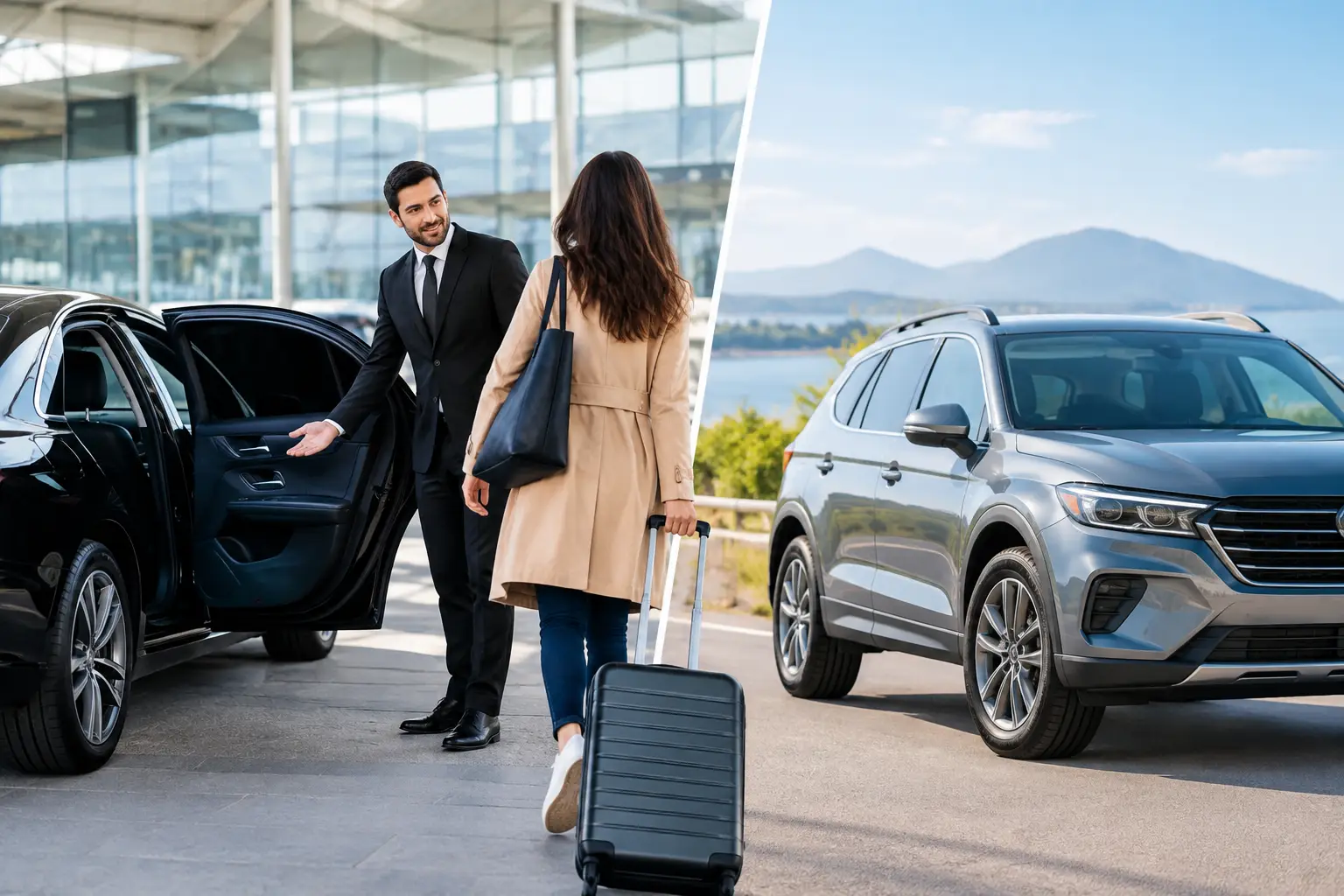
A late landing, unfamiliar roads, luggage, and a hotel check-in can make one decision feel bigger than it is: airport transfer versus rental. The right answer depends less on the vehicle itself and more on what happens after you leave the airport. If your plans end at one hotel, a transfer may be the simplest choice. If Mostar is your base for waterfalls, historic towns, mountain roads, and spontaneous stops, a rental car can change the entire trip.
Airport transfer versus rental: start with your itinerary
An airport transfer is designed for a clear, direct job: getting you from the terminal to your accommodation. A professional driver meets you at the agreed location, handles the route, and takes the pressure off after a flight. This is particularly useful for travelers arriving late, visitors with a very short stay, or business guests whose schedule is centered on meetings in one city.
A rental car is built for a different kind of trip. It gives you transportation not only on arrival day, but also for every plan that follows. You can leave early for Kravica Waterfalls, stop in Počitelj for coffee and photographs, visit Blagaj at a quieter hour, and return when you are ready. There is no need to coordinate a pickup time, find a bus schedule, or shorten a visit because a tour is moving on.
The most useful question is simple: how many separate journeys will you make after leaving the airport? For one airport-to-hotel ride, a transfer is often sensible. For several day trips, family outings, or a route that continues toward Croatia, Montenegro, Sarajevo, or the coast, a rental usually offers more practical value and flexibility.
When an airport transfer is the better choice
Transfers work well when convenience on arrival is your only priority. After a long international journey, having an experienced driver waiting can feel reassuring. You do not need to locate a rental desk, learn a new car, or drive immediately after a tiring flight.
They are also a strong option for travelers who do not want to drive abroad. Roads in the Balkans can include narrow village streets, changing terrain, and routes that are new to first-time visitors. A chauffeur-driven trip allows you to focus on your plans, conversations, or rest while someone familiar with the area handles the driving.
For couples on a short city break, a transfer may be all that is needed. If you are staying centrally in Mostar and plan to spend your time walking through the Old Town, dining nearby, and taking just one organized excursion, paying for a vehicle that remains parked most of the day may not make sense.
Transfers can also suit groups traveling for a specific event. A van with a driver removes the need to designate a driver, organize parking, or manage several vehicles. The practical advantage is not freedom of route, but dependable movement at a set time.
Why a rental car gives day trips more value
Mostar is an easy place to enjoy without a car for a few hours. It becomes a much stronger travel base with one. Many of the region's best stops are close enough for a comfortable day trip, but they are easier to combine when you control the schedule.
Take a day around the Neretva Valley. You might begin at Blagaj in the morning, when the spring and monastery setting are calmer. From there, continue to Počitelj, wander its stone lanes at your own pace, then drive toward Kravica Waterfalls for an afternoon swim or a longer lunch. A fixed transfer does not naturally support this kind of route, and a group tour may allow limited time at each stop.
A rental car also makes room for the unplanned moments that visitors often remember most. You can pull over at a viewpoint, buy fruit at a roadside stand, take a different road back, or stay longer when a place deserves it. That freedom is valuable for photographers, families traveling with children, and anyone who prefers a relaxed pace over a tightly timed itinerary.
With CityRent, travelers can choose vehicles that match the journey rather than forcing every trip into the same format. An economy car can be a practical choice for two people traveling light. An automatic sedan may offer more comfort on longer drives, while a station wagon, SUV, or van can make more sense for luggage, children, or a small group. The right vehicle keeps the trip comfortable without paying for space you do not need.
The family and group advantage
For families, the comparison is often about logistics. A transfer may take everyone to the hotel, but it does not solve the next day's transportation. Booking separate rides for attractions, meals outside town, and return travel can quickly become inconvenient.
A rental keeps car seats, snacks, jackets, and luggage space close at hand. It lets you work around nap times, heat, weather, and changing plans. Groups benefit too: traveling together in one suitable vehicle is usually easier than coordinating multiple taxis or waiting for public transportation.
The cross-border factor
Many visitors do not stop at one destination. A Balkan itinerary can begin at one airport and continue to a coastal city, another country, or a different departure airport. In that situation, a rental is often the more natural fit because it supports the whole route, not just the first ride.
Before booking, always confirm the conditions for cross-border travel and the intended return location. These details should be arranged in advance, especially when your plan includes Croatia, Montenegro, or other nearby destinations. Clear planning avoids delays and ensures the vehicle and documentation match your route.
Compare the real cost, not only the first price
The lowest initial price does not always mean the lowest overall cost. A transfer can be excellent value for a single direct journey. But if you will need several rides during the trip, the total can rise quickly. Add an airport ride, a waterfall excursion, transport to dinner outside the center, and a return trip, and the convenience of a car may become more compelling.
When comparing options, look at the full travel plan. Consider the length of your stay, the number of passengers, luggage, planned destinations, and whether your accommodation has convenient parking. Also consider the time value of waiting. A bus may cost less, but it may not take you directly to the place you want to visit or run when you want to leave.
A rental can be especially straightforward when the rate includes meaningful travel essentials such as comprehensive insurance and unlimited mileage. Still, travelers should review the rental terms before confirming. Check fuel requirements, pickup and return times, driver requirements, parking arrangements, and cross-border permissions. Good travel decisions come from comparing complete conditions, not just a headline number.
Choose based on how you want to travel
Choose an airport transfer if you want a direct ride, are staying in one walkable area, do not plan to drive, or value having a driver handle the first leg of the journey. It is a comfortable, reliable solution for arrivals and point-to-point travel.
Choose a rental car if your trip includes more than one destination, you want to explore around Mostar independently, or your schedule is likely to change once you arrive. It is the better tool for travelers who see the airport as the start of the trip rather than the final transportation decision.
There is also no rule that says you must choose only one approach. Some travelers use a transfer after a late arrival, then rent a car the following morning for several days of sightseeing. Others rent from the airport and return the vehicle before a final evening in the city. The best arrangement is the one that removes friction from your actual itinerary.
If Kravica, Blagaj, Počitelj, and the open road are part of your plans, give yourself enough time to enjoy them. A vehicle is not simply a way to get from place to place - it is the flexibility to let a good day last a little longer.