
Balkan Car Hire Guide for Easy Road Trips
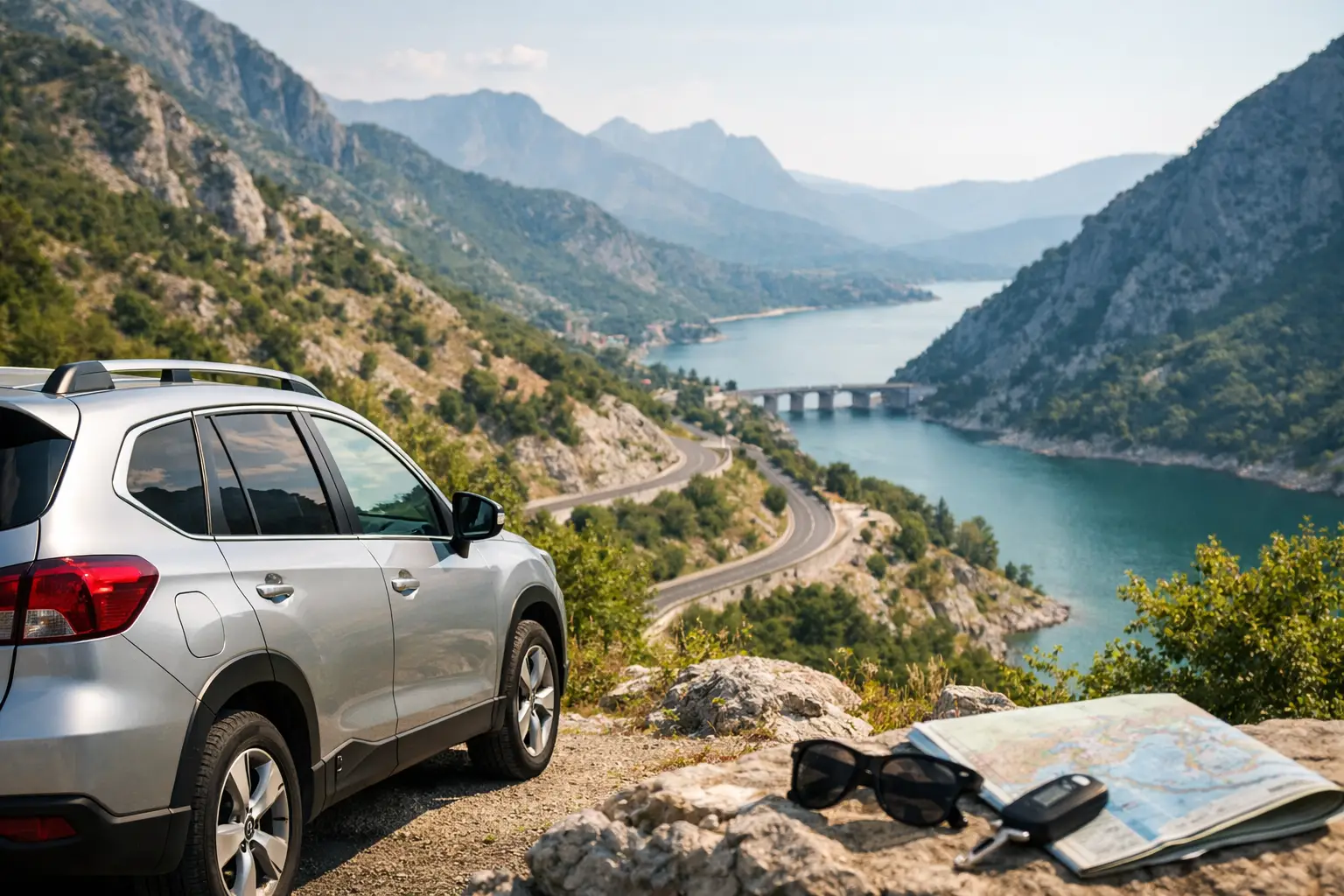
A missed bus connection in the Balkans can cost you half a day. A rental car can give that time back. This balkan car hire guide is for travelers who want to move on their own schedule, reach smaller towns without hassle, and make room for the kind of stops that turn a trip into a real memory.
The Balkans are rewarding to drive, but they are not a one-size-fits-all rental market. Distances can look short on a map and still take longer than expected. Border crossings can be simple or slow depending on the season, your documents, and your route. Road quality changes from modern highways to narrow local roads within the same day. If you plan well, though, renting a car is often the easiest way to see more with less stress.
Why a Balkan car hire guide matters
In Western Europe, travelers often assume they can land, pick up any vehicle, and improvise the rest. In the Balkans, a little preparation pays off. The region includes multiple countries, different road systems, seasonal traffic swings, and rental conditions that matter more when you plan to cross borders.
That does not mean the process is difficult. It means the best trip usually starts with a few practical decisions: where you will pick up the car, whether you need permission for cross-border travel, what size vehicle fits your route, and how much flexibility you want for luggage, passengers, and parking.
For many travelers, especially families, diaspora visitors, and small groups, the biggest benefit is simple freedom. You are not tied to bus timetables, group tour departures, or expensive last-minute transfers. You can land at the airport, collect the car, and head straight to your hotel, a business meeting, or a scenic stop on the way.
Choose the right car for the trip you actually have
The best rental is not always the cheapest one on the screen. It is the car that matches your route, passengers, luggage, and comfort level.
If you are staying mostly in cities and taking short regional drives, an economy car or compact sedan is often the smart choice. These are easier to park, easier on fuel, and usually enough for couples or solo travelers. If you are arriving with family, extra bags, or child seats, a station wagon, SUV, or van makes the trip much more comfortable.
Transmission matters more than some visitors expect. If you only drive automatic at home, book an automatic early. Availability can be more limited during busy travel periods, especially at airports and in peak summer months.
There is also a comfort trade-off to consider. A small car can save money, but after several days of border crossings, mountain roads, or full-day sightseeing, many travelers are happier in a vehicle with more cabin space and luggage capacity. If your itinerary includes long day trips, that extra room is not a luxury. It is part of a smoother trip.
Cross-border driving in the Balkans
For many visitors, this is the most important part of any Balkan car hire guide. The region works best when you can move between countries without changing transport plans at every border, but you should never assume cross-border travel is automatically included.
Before booking, confirm exactly which countries you plan to visit and make sure your rental agreement allows it. This is especially important if your route includes Bosnia and Herzegovina, Croatia, Montenegro, or other nearby destinations in one trip. Border permissions, insurance scope, and documentation should be arranged before you arrive at the crossing.
This is where working with a regional provider helps. A company that understands common travel patterns can tell you what is realistic, what paperwork is needed, and which routes are easier during high season. That kind of clarity saves time and avoids awkward surprises at the border.
You should also allow extra time when crossing in summer, around holidays, and on weekends. A route that looks easy on paper can slow down fast when everyone heads to the coast at the same time.
Insurance, deposits, and what to check before driving away
Price matters, but the rental terms matter just as much. Travelers often focus on the daily rate and only later notice the bigger questions: what insurance is included, whether there is a deposit, what happens in case of damage, and whether roadside help is available.
A clear rental offer should tell you what is covered and what is not. Full comprehensive insurance can make the trip feel far less stressful, especially if you are unfamiliar with local roads or parking in historic town centers. It does not remove the need to drive carefully, but it does make the practical side easier to manage.
When collecting the vehicle, do a calm walk-around. Check the body, wheels, windshield, lights, fuel level, and interior condition. Take a few photos on your phone. It takes two minutes and helps prevent confusion later.
Also ask about fuel policy, mileage limits, and emergency contact procedures. Unlimited mileage is especially useful in the Balkans because plans often change. You may intend to stay local and then decide to add a waterfall, a hilltop town, or a coastal stop once you see how close it really is.
Airports, city pickup, and one-way flexibility
Convenience starts with where you collect the car. Many travelers arrive tired, carrying bags, and trying to coordinate hotel transfers. Picking up at the airport can remove a lot of friction from the first day of the trip.
If you are flying into Mostar, Sarajevo, Split, or Dubrovnik, it helps to book with a provider that can meet you where your route begins rather than forcing a detour. The same goes for drop-off. A one-way rental can make perfect sense if your itinerary ends in a different city or country.
That flexibility is not just for tourists doing scenic loops. It is useful for business travelers with meetings in different cities, families arriving through one airport and departing from another, and diaspora visitors combining family visits across the region.
A smarter way to see Mostar and nearby sights
Travelers based in Mostar often ask whether they really need a car for short sightseeing days. If your plan is limited to the old town, probably not. But if you want to see more than one place in a day, a rental car quickly becomes the easier option.
Kravica Waterfalls, Počitelj, and Blagaj are close enough to combine without rushing, but public transport between them is not always convenient for visitors. Tours can work if you prefer a fixed schedule, yet they usually decide how long you stay and where you stop. With your own car, you can leave early, avoid the biggest crowds, stay longer where you like, and add a lunch stop or scenic detour without negotiating anyone else's timetable.
That freedom is often the real value of renting. You are not paying only for a vehicle. You are buying back time and control.
Driving realities: what US travelers should expect
Driving in the Balkans is generally straightforward, but expectations help. Roads can range from excellent highways to slower local stretches with sharp curves, village traffic, and changing speed zones. Navigation apps are useful, though it is still wise to review the route before setting off, especially if mobile coverage may vary.
Parking deserves attention in old town areas and along the coast. A larger SUV or van is great for comfort, but a smaller car is easier in tighter urban spaces. This is one of those it-depends decisions. If your trip is mostly regional sightseeing with a family, size helps. If you are spending several nights in compact historic centers, a smaller footprint may be worth it.
Fuel stations are widely available on main routes, but on less busy roads it is smart not to wait until the tank is close to empty. The same practical rule applies to border timing, weather, and daylight. Mountain and rural drives are far more enjoyable when you are not chasing the clock.
Booking tips that make the trip easier
Book early if you need an automatic, a van, or a specific class of vehicle during summer. Be precise about pickup time, drop-off location, and every country on your route. If you are traveling with children, request child seats in advance rather than assuming they will be available on arrival.
It also helps to think one step beyond the booking itself. Consider where your first long drive happens, whether you need extra luggage room after shopping or family visits, and whether all drivers are declared on the agreement. A fast booking process is helpful, but accuracy is what keeps travel smooth once the road trip begins.
For travelers who prefer not to drive, chauffeur service can be a practical alternative for airport transfers, business schedules, or day trips where local driving feels like one task too many. The right choice depends on whether you want full independence or simply efficient transport.
A good rental experience should feel simple from the start: quick collection, clear terms, a clean and reliable vehicle, and support when plans shift. That is what makes the road feel open instead of uncertain.
If your trip includes more than one town, more than one border, or more than one day of sightseeing, a well-planned rental car usually gives you the most comfortable way to travel - and the freedom to stop when something worth seeing appears just off the road.